Blog
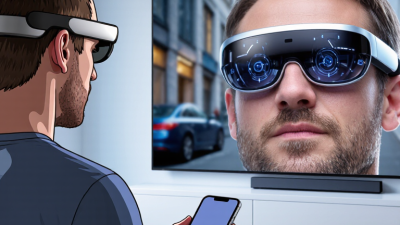
What Are Dynamic Multifocal Lenses and How Do They Work?
Dynamic Multifocal Lenses are changing how people imagine vision correction. Unlike traditional multifocal designs, they can adjust optical power as viewing needs change. A wearer may look across a bright room, glance at a phone, and shift focus with less visual compromise. The technology can involve liquid-crystal elements, electronic sensors, or mechanically adjustable optics. Each approach responds differently to eye movement, viewing distance, and available light.
Professor Susana Marcos, a respected vision scientist, has explained that adaptive optics can “measure and correct the eye’s optical imperfections.” That idea helps clarify the promise of Dynamic Multifocal Lenses. They are not simply stronger reading glasses. They are responsive optical systems built around the eye’s changing demands. Still, the concept is not magic. Calibration, battery life, response speed, comfort, and visual quality can limit everyday performance.
Some lenses may react within moments. Others may require a deliberate adjustment. A user could notice a slight delay when moving from a laptop to a distant street sign. That detail matters. Human vision feels effortless, but it depends on precise timing and stable focus.
This article examines what Dynamic Multifocal Lenses are, how their optical mechanisms work, and where their practical limits appear. The technology is promising, yet early explanations sometimes sound too perfect. Real-world experience can be messier. That is worth remembering.
Read more »
 By:Amelia
- October 13, 2026
By:Amelia
- October 13, 2026
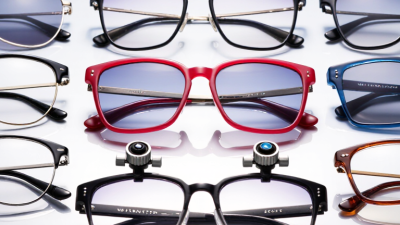
7 Best Tunable Focus Eyewear for Global Buyers?
Tunable Focus Eyewear is attracting attention from buyers who need flexible vision support without carrying several pairs of glasses. WHO’s World report on vision estimates that at least 2.2 billion people have near or distance vision impairment. It also identifies unaddressed refractive error as a continuing global challenge. The IAPB Vision Atlas similarly highlights refractive error as a major contributor to avoidable vision loss. These findings give adjustable eyewear a practical role, but not unlimited medical value.
This guide examines seven tunable focus models for international buyers. It compares adjustment range, lens clarity, frame weight, bridge comfort, field of view, and resistance to daily wear. We also consider packaging, warranty terms, replacement access, and support across different regions. A useful pair should feel stable during reading, travel, or screen work. It should not create distracting distortion when the wearer looks sideways. Small details matter. A loose dial can change the experience quickly.
Technical claims require caution. Adjustable lenses do not replace a professional eye examination or correction for every condition. Buyers should review product instructions and applicable optical standards, including ISO 12870:2016 for spectacle frames. Country-specific labeling and consumer requirements may also differ. No ranking can fit every face. A product that performs well in a controlled review may feel awkward after several hours. Our assessment therefore balances published specifications with practical observations, while acknowledging gaps in independent long-term testing. That limitation deserves attention. Before ordering, global buyers should confirm the adjustment method, prescription suitability, return policy, and local after-sales support.
Read more »
 By:Oliver
- October 8, 2026
By:Oliver
- October 8, 2026
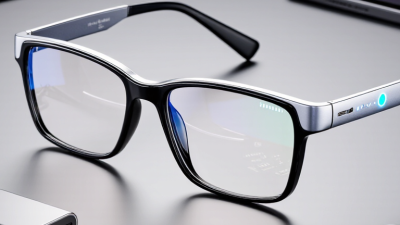
Top Electronic Progressive Spectacles Suppliers
Electronic Progressive Spectacles are reshaping how vision correction meets wearable technology. These products combine progressive optical zones with electronic adjustment, sensors, batteries, and digital controls. They may help users shift between reading, driving, and screen viewing without changing glasses.
Steve Mann, a recognized wearable-computing pioneer, once wrote, “Wearable computing is about putting the computer on the person.” His observation remains relevant. Electronic Progressive Spectacles place adaptive vision technology directly in daily routines. Yet the category is still developing. Not every supplier offers the same optical accuracy, comfort, or clinical support.
This guide examines leading Electronic Progressive Spectacles suppliers through practical and technical criteria. We consider lens customization, adjustment speed, battery endurance, frame weight, user protection, and after-sales service. Certification and testing records also matter. A polished product page proves little.
Look closely.
Reliable suppliers should explain how their lenses respond to changing visual distances. They should identify manufacturing locations, testing procedures, warranty terms, and professional fitting services. Clear documentation builds trust. Independent reviews and optician feedback add valuable evidence.
The market has weaknesses. Some suppliers describe electronic eyewear broadly, even when their products only provide basic display functions. Others highlight prototypes without confirming large-scale production. Buyers should question these gaps.
Our comparison focuses on suppliers with verifiable capabilities, consistent product information, and realistic performance claims. It does not assume that the most advanced design is always the best choice. A heavier frame may offer more functions, but it can become uncomfortable by late afternoon. Careful evaluation remains essential for consumers, distributors, and optical professionals.
Read more »
 By:Evelyn
- October 3, 2026
By:Evelyn
- October 3, 2026
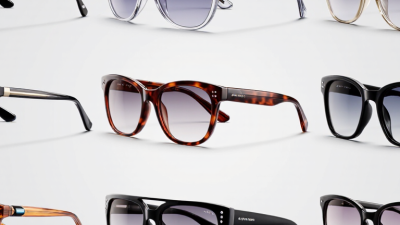
China Top 10 Active Focus Eyewear Manufacturers
Active Focus Eyewear sits at the intersection of optical design, wearable technology, and everyday comfort. The term can describe eyewear designed to support changing visual needs, though product features differ between manufacturers. That distinction matters. A frame with adjustable components is not automatically equivalent to one with electronic focusing or sensor-based functions.
This guide introduces ten Chinese manufacturers working in or around this developing category. It offers a starting point for buyers, product teams, and distributors—not a guarantee that every company supplies the same technology. The comparison should consider practical details: lens options, frame materials, adjustment methods, production capacity, quality-control procedures, customization, and after-sales support. A close look at hinges, nose pads, weight, and frame balance can reveal as much about daily usability as a product brochure does.
Reliable evaluation also means checking current product specifications and asking manufacturers for relevant test reports, samples, and clear production terms. Capabilities can change, and company descriptions may use “active focus” differently. Some details require direct confirmation. This overview therefore emphasizes questions worth asking rather than treating marketing claims as settled facts. Readers can use the manufacturer profiles to narrow their search, then compare fit, optical performance, service, and documented quality against their own requirements. No single supplier will suit every project. That is worth remembering.
Read more »
By:Oliver
- September 28, 2026
China Top 10 Electronic Reading Boost Glasses Manufacturers
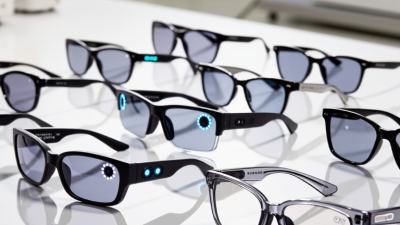
Electronic Reading Boost Glasses are becoming a practical option for readers who struggle with small print, dim lighting, or changing focus. This China Top 10 manufacturers overview examines the companies behind these specialized optical products. It considers lens design, magnification control, frame comfort, battery performance, production quality, and after-sales support.
Optometrist Dr. Gary Heiting has explained, “Presbyopia is the gradual loss of the eye’s ability to focus on nearby objects.” That simple point matters. Electronic Reading Boost Glasses may enlarge text, improve contrast, or provide adjustable illumination, but they cannot replace a complete eye examination. A comfortable pair should feel balanced on the nose, remain stable during page turning, and avoid excessive visual distortion around the lens edges.
The selected Chinese manufacturers are assessed through an evidence-based lens. Product specifications, manufacturing experience, quality certifications, customization capacity, and export capability all deserve attention. Factory photographs can help, but they are not enough. Independent testing and verified customer feedback are stronger signals. Some suppliers advertise impressive magnification ranges. Real-world clarity may still vary.
That difference matters.
Readers should also examine charging safety, button placement, optical accuracy, and repair support. A useful device is not merely bright or powerful. It should support steady reading beside a window, under a desk lamp, or on a long train journey. The ranking is therefore a starting point, not a final verdict. Supplier information can change, and several claims may require additional verification. This introduction presents the market carefully, while recognizing that “top” depends on the buyer’s eyesight, budget, application, and expectations.
Read more »
By:Amelia
- September 23, 2026
What Are Presbyopia Correction Lenses and How Do They Work?
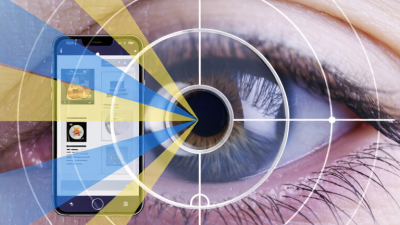
Presbyopia Correction Lenses help adults focus on nearby objects when the eye’s natural lens becomes less flexible with age. Menus may look blurred. Small phone text can appear strangely distant. This change usually develops after age 40, although the timing differs between individuals.
“Presbyopia is a natural part of aging,” explains ophthalmologist Dr. William B. Trattler. His statement captures the central issue, but it does not explain every treatment choice. Presbyopia Correction Lenses may include multifocal contact lenses, monovision designs, or specialized intraocular lenses. Each option manages light differently. Multifocal lenses divide incoming light between near, intermediate, and distance vision. Extended-depth-of-focus designs stretch the range of usable focus. Monovision gives one eye stronger distance vision and the other stronger near vision.
The result is not always perfect. Some wearers notice halos around headlights, reduced contrast, or a short adjustment period. Night driving may feel different. Dry eyes can also affect comfort and visual quality. These details deserve honest discussion, not marketing promises.
An eye-care professional should measure refraction, eye health, tear-film quality, and lifestyle needs before recommending a lens. A graphic designer may need sharper intermediate vision. A frequent night driver may value contrast more than maximum reading range. Trial lenses can reveal practical weaknesses that an examination alone cannot predict.
This guide examines how Presbyopia Correction Lenses work, how designs differ, and where their limitations remain. Individual results vary. Careful fitting still matters.
Read more »
By:Oliver
- September 21, 2026

How to Choose e-Progressive Lenses?
Choosing e-Progressive Lenses is not simply a matter of selecting the newest lens technology. It is a decision shaped by your prescription, daily habits, frame choice, and visual expectations. A lens that works beautifully for a desk-based professional may feel unsuitable for someone who drives at night or spends hours outdoors. The term “e-Progressive Lenses” can also vary between manufacturers, so confirm the exact design and customization options with a qualified eye-care professional.
Small measurements matter. Pupillary distance, fitting height, and the frame’s position can affect how smoothly your vision changes from reading to distance. A precise eye examination should identify prescription changes, eye health concerns, and differences between your two eyes. Your optician should also ask how you use your vision, not just what strength you need. Mention computer distance, phone habits, nighttime driving, and frequent head movement.
Comfort comes from matching design to real life.
Lens selection is partly technical and partly personal. Wider reading areas may help frequent readers, while improved peripheral control can benefit active users. However, no progressive lens removes every adaptation period or guarantees perfect comfort. That is an important limitation. Even experienced wearers may need adjustments, especially after changing frames or prescriptions. Reviewing lens measurements, warranty terms, and adaptation support can prevent disappointment. This guide explains the practical questions, professional checks, and honest trade-offs that can help you choose e-Progressive Lenses with greater confidence.
Read more »
By:Evelyn
- September 21, 2026
10 Smart Eyewear Buying Tips for Global Buyers
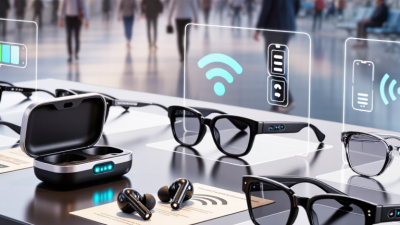
Buying Smart Eyewear across borders requires more than comparing camera resolution or futuristic designs. A polished product page can hide practical limits, including weak battery life, unclear warranty terms, or poor compatibility with your phone. Global buyers need a careful method that connects technical specifications with daily use.
Think about the moment you will wear the device. Will it remain comfortable during a long commute? Can its speakers stay clear in a noisy airport? Does the frame fit your face securely without pressing behind your ears? Small details matter. So does the charging case.
Reliable purchasing also means checking the manufacturer’s experience, customer support, and regional service options. Confirm whether the app works in your country and whether language settings match your needs. Review privacy controls before recording or sharing anything. Product certifications, return policies, import costs, and delivery tracking deserve equal attention. Regulations may differ between markets, so buyers should verify current local requirements through official sources.
No single model suits everyone. That is easy to forget. Some buyers may value navigation, while others need prescription compatibility or hands-free calls. Marketing claims can sound impressive, yet real-world performance may change with lighting, weather, and network quality. These ten Smart Eyewear buying tips are designed to make comparison more practical, transparent, and less dependent on advertising. They will not remove every risk. They can, however, help you ask better questions before spending money across borders.
Read more »
By:Oliver
- September 21, 2026