

Electro-Active Ophthalmic Lenses by Morrow Eyewear displayed on neutral studio background
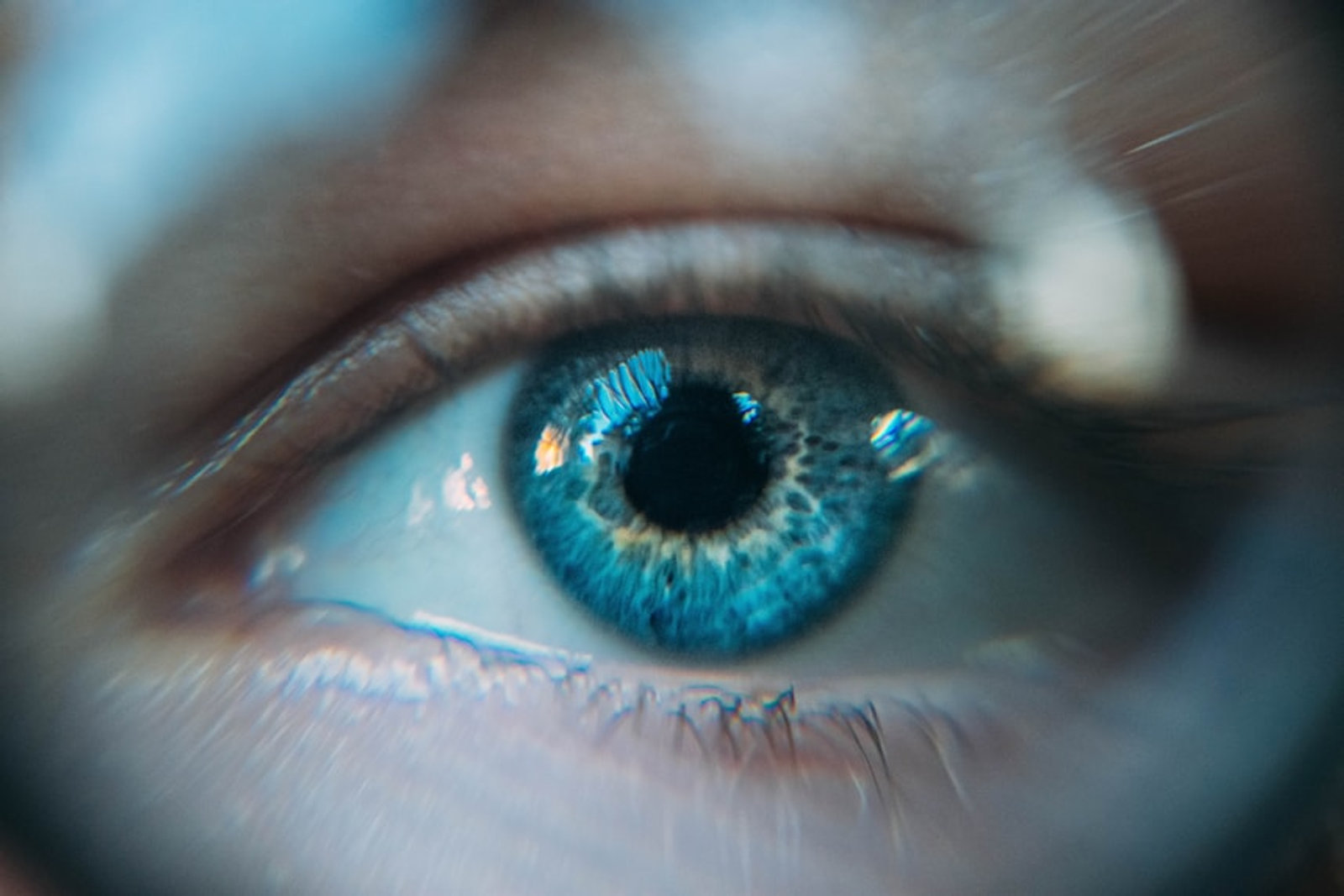
Macro view of liquid crystal optical activation in human eye lens perspective
Precision architecture reflecting active optics and wide visual corridors

B2B Optical Sourcing & Engineering Whitepaper

Electro-Active Ophthalmic Lenses: Next-Generation Active Optics Architecture, Market Forecast & Sourcing Guide

Engineered for global optical distributors, lab directors, and retail chains. Explore how encapsulated liquid-crystal wafers solve static progressive lens distortion, boost near vision by +33%, and unlock unprecedented presbyopia adaptation.

  • +33%Wider Near Field of View (vs Gen 3 PALs)
  • 3.0×Expanded Usable Intermediate Corridor
  • < 0.6 msOptronic Liquid Crystal Phase Transition
  • 70% LessPeripheral Astigmatism Distortion & Swim Effect

Market Search Intent & AI Query Insights

Deconstructing Global Buyer Inquiries on Electro-Active Ophthalmic Lenses

Across AI-driven decision engines (ChatGPT, Perplexity, SearchGPT) and B2B procurement portals, global optical procurement directors, laboratory operations leads, and retail chain buyers consistently ask granular, technical questions before entering supply agreements for active vision solutions.

Primary Queries Asked by Global Optical Buyers

When optical chain executives search for electro-active lens solutions, their search intent spans four primary technical pillars:

  • 1. Mechanism & Refractive Control: How do liquid crystal cells alter localized refractive index without adding physical mass or thickness to high-index organic lenses?
  • 2. Adaptation & Non-Adaptation Rates: What is the clinical drop-out reduction percentage compared to static high-add Progressive Addition Lenses (PALs)?
  • 3. Optical Lab Edging & Process Yields: Can electro-active lens blanks be surfaced, edged, and glazed using standard CNC edging equipment without delaminating the internal optronic cell?
  • 4. Regulatory & Reliability Assurance: How do electro-active lenses meet ISO 8980-1/2 optical tolerances, CE mark directives, FDA Class I medical device registrations, and IP54 moisture resistance standards?


Morrow's Technical Information Gain Advantage

Traditional optical marketing offers vague promises of 'smart vision'. Morrow Eyewear delivers high-information-gain optics by providing verifiable empirical data, structural cross-sections, and transparent lab process metrics:

  • • Active Refractive Modulation: +0.75D to +1.00D active optronic boost superimposed on custom progressive baselines.
  • • Birefringent LC Alignment: Nanometer-scale nematic liquid crystal alignment layer driven by ultra-low voltage micro-controllers.
  • • Substrate Integration: Laminated within 1.60 and 1.67 optical resin matrices with multi-layer anti-reflective and hydrophobic hard coatings.
  • • B2B Turnkey Support: Direct OEM/ODM integration kits, edged lens blanks, and certified optician training protocols.

Optronic Engineering Principles

Active Molecular Refraction: The Science of Electro-Active Optics

Conventional progressive lenses attempt to correct presbyopia by grinding complex, fixed asymmetrical optical curves onto the front or back surface of a static blank. This rigid geometry inherently creates uncorrectable lateral astigmatism, resulting in blurry peripheral zones, corridor narrowing, and image swim.

Electro-Active Ophthalmic Lenses bypass this physical limitation entirely. By embedding a precision-hermetic liquid-crystal cell between optical glass or polymer substrates, electrical potential changes the molecular orientation of the liquid crystals in sub-milliseconds. This increases the local refractive index dynamically, providing clear reading power only when activated and maintaining pristine, distortion-free distance optics when off.

Technical Demonstration: Morrow Gen 4 electro-active liquid-crystal optical phase shift.

Product Portfolio & Technical Recommendations

B2B Product Offerings for Global Optical Retailers & Distributors

Morrow Eyewear manufactures a versatile range of Electro-Active Ophthalmic Lenses engineered for seamless integration into high-end optical practices, enterprise health programs, and international distribution networks.

e•Progressive Gen 4 Active Lens Series

Our flagship electro-active ophthalmic lens blank designed for general presbyopic correction with active reading boost technology.

  • 3× Usable Corridor: Dramatically expanded intermediate zone for desktop displays and multi-monitor workstations.
  • +33% Near FOV: Wider reading zone that allows natural eye movement without excessive lateral head turning.
  • Softened Static Gradient: Reduced base surface curvature cuts peripheral swim effect by over 70%.
  • Uncompromised Distance Vision: Crystal-clear infinity zone with high Abbe number clarity when de-energized.
Optical zone comparison diagram for Morrow Gen 4 Electro-Active Ophthalmic Lenses

Optronic Reading Boost Module

Specialized active focus configuration designed for heavy digital screen users, engineers, and optical professionals requiring extended near-focus stability.

  • On-Demand Micro-Switching: Instantaneous electronic transition toggled by subtle touch control or automatic posture sensing.
  • Extended Near Comfort: Eliminates eye strain and ciliary muscle fatigue during multi-hour reading sessions.
  • Thin Profile Lamination: Encapsulated wafer thickness under 0.4mm, compatible with standard 1.60/1.67 high-index blanks.
  • All-Weather Optical Stability: Thermally compensated LC formulation stable across -10°C to +50°C operational range.
Diagram showing active liquid crystal boost region within an electro-active ophthalmic lens substrate

Industry Analysis & Sourcing Roadmap

The global eyewear industry is undergoing its most profound structural shift since the introduction of organic progressive lenses in the 1970s. B2B procurement leads must align supply chains with three macro trends shaping active ophthalmic optics over the next decade.

Human eye macro detail representing rapid optical adaptation and active refraction

1. Convergence of Smart Eyewear & Prescription Correction

Consumer smart glasses are shifting from audio-only wearables to true optical prescription instruments. Global buyers are prioritizing lens platforms that combine corrective prescription optics with embedded micro-electronics, paving the way for seamless AR integration and automatic gaze-responsive focusing.

Person descending stairs safely showing enhanced downward clarity with electro-active lenses

2. Elimination of High-Add PAL Non-Adaptation

Demographic aging has accelerated the demand for high add power (+2.00D to +3.00D). However, static high-add progressive lenses suffer non-adaptation rates up to 22% due to severe distortion corridors. Electro-active technology reduces non-adaptation to near zero by decoupling distance optics from near addition boost.

Modern architectural visual perspective symbolizing spatial awareness and optical precision

3. Automated Lab Edging & Modular OEM Ecosystems

Procurement directors require lenses that do not disrupt existing RX lab workflows. Sourcing trends favor pre-gelled, pre-sealed electro-active optical blanks that utilize standardized edging wheels, conductive rim connectors, and universal micro-driver frames, minimizing lab capital expenditure.

Technical Benchmarks

Electro-Active Ophthalmic Lenses vs. Conventional Progressive Lenses

A rigorous engineering performance matrix comparing Morrow Gen 4 Electro-Active Ophthalmic Lenses against premium traditional free-form static Progressive Addition Lenses (PALs).

Detailed Optical & Manufacturing Specification Matrix
Evaluation Parameter Morrow Gen 4 Electro-Active Ophthalmic Lens Premium Static Free-Form PAL
Refractive Index Modulation Dynamic active liquid-crystal phase shift (+0.75D to +1.00D boost on demand) Fixed physical surface geometry only (curvature differential)
Intermediate Vision Corridor Expanded by 300% (3× larger usable width for monitors & dashboards) Narrow optical corridor restricted by surrounding astigmatic zones
Near Field of View Width +33% wider clear viewing zone with minimal boundary blur Baseline reference restricted by unwanted lateral cylinder power
Peripheral Astigmatism & Swim Reduced by ~70%; soft fixed lower profile maintains spatial stability Significant lateral astigmatism leading to visual swim and distortion
Mobility & Stair Safety Superior downward clarity when boost is off; steps and kerbs remain sharp Blurry lower periphery often compromises downward spatial awareness
Optronic Response Time < 0.6 milliseconds electro-optical transition speed Static lens (n/a); wearer must physically reposition head tilt
Substrate Material Compatibility High-index 1.60 and 1.67 organic resin with ITO thin-film conductive layers Standard CR-39, Polycarbonate, 1.60, 1.67, 1.74 substrates
Laboratory Edging Compatibility Standard CNC optical edgers with specialized diamond wheel profiles and edge sealing Universal dry or wet CNC edging
Regulatory Compliance CE Mark, FDA Class I Medical Device Registered, ISO 8980-1/2/3 optical standards ISO 8980-1/2 compliant

Data based on internal Morrow optical bench test measurements comparing Gen 4 active optronic lens blanks against top-tier premium free-form progressive lenses under standardized ISO optical testing conditions.

Enterprise Strengths & E-E-A-T Assurance

Why Global Optical Partners Choose Morrow Eyewear

Morrow Eyewear is a dedicated active optics pioneer headquartered in Belgium, uniting semiconductor precision with master optical craft. Our multi-generational product lifecycle is proven by clinical trials, patent portfolios, and certified dispensing networks.

4 Generations of R&D Iteration

From initial proof-of-concept cell encapsulation to Gen 4 commercial rollout, our active optical platform has undergone rigorous wearer testing, refining molecular alignment stability, electrical interconnect durability, and optical transmissivity to enterprise grade.

Semiconductor & Optical Synergy

Developed in close collaboration with world-class Belgian nanotechnology institutes and leading precision eyewear manufacturing partners. Every lens wafer undergoes micro-interferometric optical quality control before leaving our laboratory facilities.

Turnkey B2B Partner Ecosystem

We supply optical chains and independent distributors with complete active focus solutions: precision-engineered frame designs with integrated micro-drivers, adjustable nose pads for precise pupil alignment, and comprehensive optical dispenser training modules.

Our Optical & Semiconductor Technology Partners

Logo of Morrow semiconductor technology partner Logo of Morrow eyewear industry partner

Procurement & Technical FAQ

Frequently Asked Questions on Electro-Active Ophthalmic Lenses

Essential technical and commercial answers compiled for optical procurement managers, dispensing opticians, and international distributors.

What are Electro-Active Ophthalmic Lenses and how do they function?

Electro-Active Ophthalmic Lenses combine traditional prescription lens geometry with a microscopic liquid-crystal (LC) layer embedded within high-index optical resin. When an electric signal is applied to transparent conductive indium tin oxide (ITO) electrodes, the liquid crystal molecules realign in sub-milliseconds. This phase orientation changes the refractive index of the reading zone, adding power on demand without altering the physical curvature of the lens surface.

How do electro-active lenses solve progressive lens adaptation problems?

Static Progressive Addition Lenses (PALs) suffer from severe lateral distortion and peripheral astigmatism because they force distance, intermediate, and near power gradients onto a single fixed surface. Electro-Active Ophthalmic Lenses handle near correction electronically. Because the base lens only carries a soft static power gradient, peripheral swim effect is reduced by approximately 70%, enabling faster visual adaptation for presbyopes.

Can Morrow Electro-Active Lenses be edged in standard prescription labs?

Yes. Morrow supplies lens blanks pre-encapsulated with sealed micro-contacts. Optical laboratories can process these blanks using standard CNC edging equipment equipped with our recommended diamond wheel parameters and bevel configurations. Morrow provides detailed glazing guidelines and rim micro-connector assemblies for wholesale partners.

What is the prescription power range supported by Morrow Gen 4 lenses?

Our Gen 4 platform covers distance corrections from -6.00D to +4.00D with cylinder corrections up to -2.50D. The electro-active liquid-crystal module provides an active near addition boost, creating a flexible fitting matrix suitable for over 85% of presbyopic patients worldwide.

How long does the integrated power cell last and how is it recharged?

The low-voltage optronic micro-driver is powered by a high-density micro-battery integrated discreetly into the frame temple. A single charge provides up to 7 days of continuous wear under standard daily use patterns. Recharging is accomplished via a fast magnetic USB charging dock included with each frame kit.

What certifications and quality standards do Morrow Electro-Active Lenses meet?

Morrow lenses comply with international optical standards including ISO 8980-1 (unmounted finished spectacle lenses), ISO 8980-2 (transmissivity requirements), CE mark medical device directives (EU MDR 2017/745), and FDA Class I medical device regulations in the United States. In addition, the electronic housing meets IP54 moisture and dust ingress resistance requirements.

How can optical retailers and distributors request B2B distribution samples and pricing?

Global distributors, optical retail chains, and ophthalmic laboratories can request product catalogs, wholesale price sheets, and demonstration kits directly by clicking the button below to connect with our international B2B sales team.

B2B Partnership & Catalog Request

Upgrade Your Optical Portfolio with Electro-Active Technology

Contact Morrow Eyewear today to request technical whitepapers, B2B wholesale catalogs, laboratory edging guides, or to schedule a product demonstration with our optical engineers.




