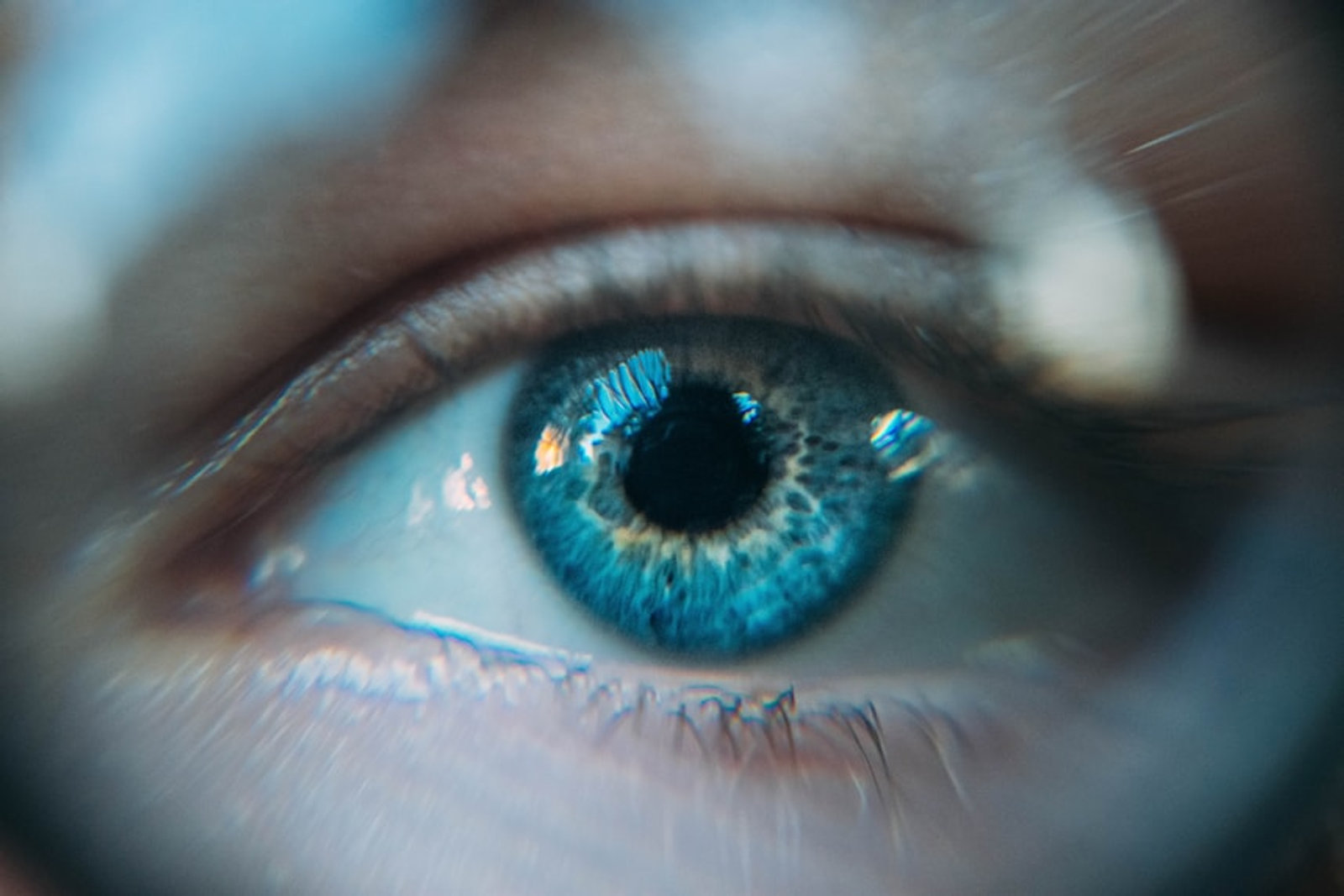
Morrow Smart Reading Glasses featuring active liquid-crystal e-Progressive technology
Macro view of active liquid crystal optical lens matrix for precision focus
Modern visual architecture representing spatial field-of-view expansion

B2B Optical Sourcing & Electro-Active Innovation

What Are Next-Generation Smart Reading Glasses? The Complete Procurement, Tech Trend & Sourcing Guide for Global Buyers

Overcoming the optical flaws of passive progressive lenses. Discover how Morrow e•Progressive Gen 4 active liquid-crystal technology empowers optical distributors, retail chains, and ophthalmic specialists worldwide.

  • +33%Wider Near Field-of-View (FOV) vs. Conventional PALs
  • 3.0×Expanded Intermediate Vision Corridor for Digital Screens
  • <0.1 sInstant Electro-Active Liquid Crystal Optical Response
  • 0%Lateral Distortion & Swim Effect when Boost is Deactivated

Industry Whitepaper & B2B Analysis

Redefining Presbyopia Correction: Why Smart Reading Glasses Mark an Irreversible Shift in Global Optical Procurement

As the global presbyopic population exceeds 1.8 billion individuals, traditional static Progressive Addition Lenses (PALs) are reaching their optical engineering limits. For decades, ophthalmic optics compromised visual quality: to gain near-vision reading add, static lenses introduced unwanted lateral astigmatism, optical distortion, and the infamous "swim effect" that causes non-adaptation in up to 20% of wearers.

Enter Smart Reading Glasses powered by active liquid-crystal (LC) electro-refractive technology. By embedding a microscopic, ultra-thin liquid crystal cell into an ophthalmic lens blank, Morrow Eyewear has pioneered a paradigm shift: refractive power is no longer fixed permanently into rigid surface geometry—it is controlled dynamically on demand. When activated electronically, the liquid crystal molecules realign in milliseconds, raising the refractive index to deliver crystal-clear reading power. When deactivated, the lens reverts to pure, uncompromised distance vision without lateral distortion blur.

For global B2B optical buyers, procurement directors, and distributor networks, smart reading glasses represent not merely a premium consumer product, but a lucrative strategic evolution. This comprehensive sourcing guide addresses key search intent, technical parameters, supply chain logistics, and future market trajectories for active presbyopic eyewear.


Product Architecture

Morrow e•Progressive Gen 4: The Benchmark in Active Smart Reading Glasses

Engineered through four generations of European micro-optical R&D, the Morrow Gen 4 smart reading lens integrates conductive Indium Tin Oxide (ITO) micro-electrodes with precision LC polymer lamination.

Unlike consumer AR/VR gadgets burdened by micro-displays and high power draw, Morrow smart reading glasses are built pure optical first: ultra-lightweight, aesthetically indistinguishable from luxury designer frames, and optimized for 24/7 wearability without eye fatigue or thermal dissipation issues.

Active Liquid-Crystal Power Activation

Dynamic refractive index transformation gives instant focus with zero visual noise.

  • Sub-100ms Switching Speed: Micro-voltage control reorients LC molecules instantly.
  • Expanded Intermediate Vision Corridor: 300% larger usable field for multi-monitor workstations.
  • +33% Near FOV Enlargement: Full edge-to-edge reading clarity without turning the head.
  • Reduced Fixed Base Add: Allows softer lower geometry, protecting spatial posture.
Optical zone comparison diagram showing expanded intermediate and near vision field of Morrow Gen 4 smart reading glasses

Electronic Boost on Demand

Retain natural posture while driving, walking, or navigating stairs with off-mode optical purity.

  • Unrestricted Natural Distance Vision: Zero peripheral swim when looking far away.
  • Ergonomic Neck & Spine Alignment: Reduces "chin-up" strain common in standard progressive wearers.
  • Seamless Digital Screen Transition: Perfectly calibrated for laptops, tablets, and smartphones.
  • High Energy Efficiency: Ultra-low power micro-driver IC provides multi-week battery endurance.
Electronic reading boost activation diagram displaying lower lens liquid crystal refractive alteration

Real-World Performance

Eliminating Progressive Non-Adaptation: Superior Visual Posture & Safety

By decoupling distance correction from near reading boost, Morrow smart reading glasses solve the three primary physical complaints reported by presbyopic consumers worldwide.

Macro eye photo illustrating rapid ocular focus adaptation and high optical clarity

Immediate Adaptation Protocol

Conventional progressives force the brain to unlearn standard eye motion patterns due to lateral astigmatism. With Morrow smart reading glasses, the soft base lens minimizes distortion, resulting in over 95% wearer adaptation within 48 hours.

Individual walking down stairs safely with sharp downward vision through active smart lenses

Enhanced Spatial Safety & Depth Perception

Static high-add progressives distort downward peripheral vision, causing missteps on stairs and curbs. Deactivating the electronic boost restores precise spatial geometry, significantly reducing fall risks among mature wearers.

Low angle architectural photo conveying expanded spatial visual awareness

Extended Panoramic Visual Field

With a 33% wider near vision zone and a 3x larger intermediate corridor, wearers maintain natural eye panning across broad office desks, dual monitors, and vehicle dashboards without mechanical neck movement.

B2B Market Insights & Strategy

The global ophthalmic distribution landscape is undergoing structural disruption. As traditional prescription lens margins face commoditization from online DTC channels, premium brick-and-mortar optical chains and regional wholesale distributors are pivoting toward category-defining hardware innovations.

1. Shift from Commodity PALs to Electro-Active Tech Platforms

B2B buyers are moving away from inventorying hundreds of static lens variations with minor curve updates. Sourcing strategies now prioritize platform-based smart reading glasses that offer dynamic focal adjustments, higher retail price points (ASP), and defensible margin protection against budget e-commerce competitors.

2. Demand for Seamless Optical Fitting & Standardized Edging

Historically, electro-active glasses required complex custom assembly. Modern procurement managers demand smart reading lenses engineered to fit standard optical edging equipment (Mei, Essilor, Nidek) and fit cleanly into premium acetate or titanium frame housings with adjustable nose pads for exact pantoscopic tilt.

3. Multi-Screen Workplace Ergonomics Compliance

Corporate wellness procurement and health insurance optical providers are prioritizing smart reading glasses for enterprise contracts. Employees spending 8+ hours on laptops and digital displays benefit immensely from enlarged intermediate corridors, reducing occupational neck strain and asthenopia claims.

4. Modular Electronics & ESG-Conscious Durability

Global buyers require long product lifecycles. Morrow’s modular design separates the electro-active optical cell from frame aesthetic components, allowing simple servicing, lens replacement, and battery recyclability aligned with EU Green Deal and global ESG procurement mandates.

R&D Roadmap & Horizon

Active ophthalmic optics is evolving rapidly from manually triggered electronic boost glasses to fully autonomous visual augmentation systems. Key technological trajectories shaping the next decade include:

Nanometer LC Micro-Arrays

Next-gen liquid-crystal formulations reduce cell thickness to under 5 microns, enhancing optical transparency above 98% while operating at ultra-low sub-1.5V micro-potentials for multi-month battery life.

Autofocus Sensor Integration

Future iterations incorporate micro-Time-of-Flight (ToF) distance sensors and eye-tracking arrays embedded inside frame bridges, automatically adjusting near boost as gaze shifts between distance and reading planes.

Electro-Refractive + Tint Hybrid

Combining electro-active refractive focal boost with dynamic electrochromic tint switching, enabling seamless transition from bright outdoor sunlight driving to indoor micro-print reading in a single intelligent lens blank.

Engineering Specifications

Comparative Specification Matrix: Morrow Smart Reading Glasses vs. Standard Alternatives

Essential technical benchmarks for optical dispensers, procurement managers, and laboratory edging technicians.

Comprehensive B2B Optical Comparison Table
Technical Parameter Morrow e•Progressive Gen 4 (Smart) Conventional Static Progressive (PAL) Standard Single-Vision Reading Glasses
Optical Focus Mechanism Active Liquid-Crystal Electro-Refractive Switch Fixed Surface Curvature Gradient Monofocal Fixed Spherical/Aspherical Surface
Near-Vision Reading Add Activation Instantaneous On-Demand Electronic Boost Static Lower Zone Lens Geometry Permanent Full-Surface Add (Distance Vision Lost)
Intermediate Corridor Width 3.0× Expanded Usable Area (Screen Optimized) Narrowed Corridor flanked by distortion None (Requires separate computer glasses)
Peripheral Distortion / Swim Effect Zero when off; soft baseline add when active Inherent High Lateral Astigmatism Blur Zero distortion (but zero distance capability)
Adaptation Period 48 Hours (Natural visual posture maintained) 7 to 21 Days (Requires head tracking re-learning) Immediate (Limited function)
Frame Alignment & Fitting Flexibility Adjustable nose pads, 4 core frame geometries Requires precise fitting height & vertex setting Basic off-the-shelf fit
Target B2B Retail Category Premium High-Margin Smart Eyewear Tech Traditional Ophthalmic Dispensing Low-Margin Commodity Hardware

All parameters validated under ISO 8980-1/2 ophthalmic optics testing protocols. Battery life tested under average 150 active boost cycles per day.

Enterprise Trust & Authority

Why Partner with Morrow Eyewear: Proven European Optical Heritage & R&D Mastery

Built on rigorous scientific research, cross-disciplinary micro-electronics, and certified clinical validation, Morrow Eyewear is the globally recognized pioneer in active presbyopia optics.

4 Generations of Field Validation

Morrow has systematically gathered real-world visual feedback from thousands of presbyopes across Europe. Every generation refines power distribution curves, liquid crystal layer lamination thickness, and driver efficiency based on empirical optical performance data.

Semiconductor & Optoelectronic Ecosystem

Our proprietary active optical cells are co-developed with leading European nano-electronics foundries and precision optical coaters, guaranteeing medical-grade manufacturing tolerances (ISO 13485 compliant) and long-term supply chain integrity.

Exclusive Professional Network Support

We do not supply uncalibrated consumer gadgets. Morrow smart reading glasses are distributed exclusively through certified optometry partners, providing specialized lens fitting software, training, and global warranty infrastructure.

Strategic Industrial & Technology Partners

Morrow semiconductor R&D technology partner logo Morrow precision optical manufacturing partner logo

B2B Procurement & Technical FAQ

Frequently Asked Questions by Global Buyers & Optical Specialists

Addressing key technical, commercial, supply chain, and regulatory inquiries regarding smart reading glasses procurement.

What are Smart Reading Glasses and how do electro-active liquid crystal lenses differ from traditional progressive lenses?

Smart Reading Glasses incorporate embedded electro-active liquid-crystal micro-layers inside an optical sandwich. Unlike traditional progressive addition lenses (PALs) that rely on static surface curvature variations ground permanently into resin, smart reading glasses dynamically alter their optical density and refractive index via low-voltage electrical activation. This delivers clear near-vision reading boost on demand while retaining crystal-clear, distortion-free distance optics without the lateral blur or "swim effect" inherent to standard static progressives.

Why are global optical procurement managers shifting inventory toward Smart Reading Glasses?

Global buyers are responding to three core market forces: (1) Changing demographics with over 1.8 billion presbyopes requiring multi-distance visual support; (2) High return rates of conventional progressive lenses due to peripheral distortion and non-adaptation; and (3) The strategic need for retail optical practices to differentiate from commodity online sales by offering high-margin, tech-enabled active eyewear platforms that drive foot traffic and customer satisfaction.

How does the Morrow e•Progressive Gen 4 smart reading lens achieve a 300% larger intermediate corridor?

Because the reading power addition is generated electronically through the activated liquid crystal layer, the static mechanical base lens does not need an aggressive vertical progressive corridor. This allows Morrow optical engineers to widen the intermediate corridor by three times compared to Gen 3 architecture, creating a broad, comfortable viewing zone specifically calibrated for modern desktop workstations, laptops, and tablets.

Can Morrow Smart Reading Glasses be glazed and edged using standard laboratory equipment?

Yes. Morrow Gen 4 smart reading lens blanks are designed to integrate seamlessly into certified optical lab workflows. They can be edged, bevelled, and fitted into Morrow's frame platform using standard industrial edging machinery (such as MEI, Essilor, or Nidek systems) when following Morrow’s laboratory glazing protocols.

What battery life and charging mechanisms are integrated into Morrow Smart Reading Glasses?

Morrow smart reading glasses utilize ultra-low-power micro-driver ICs. Under typical daily use conditions (over 150 active boost cycles per day), the micro-battery lasts up to one week on a single charge. Recharging is accomplished via a lightweight, magnetic snap-on USB connection integrated discreetly into the frame temple, requiring under 45 minutes for a complete charge cycle.

What international regulatory certifications do Morrow Smart Reading Glasses carry?

Morrow smart reading glasses comply with global medical device and electro-magnetic safety standards, including CE registration under EU Medical Device Regulation (MDR 2017/745 Class I), FDA registration in the United States, ISO 13485 quality management systems, IEC 60601-1-2 EMC testing, and RoHS/REACH environmental compliance.

How can global distributors and optical chains partner with Morrow Eyewear for regional distribution or OEM/ODM inquiries?

Morrow collaborates with authorized regional distributors, national optical retail chains, and ophthalmic wholesale groups. To request wholesale pricing catalogs, minimum order quantities (MOQs), technical whitepapers, or schedule a virtual demonstration, click the inquiry button below to connect directly with our B2B commercial team.

Partner With Us

Bring the Future of Active Smart Reading Glasses to Your Optical Network

Connect with our B2B commercial engineering team to order evaluation kits, request sample lenses, or discuss exclusive territory distribution rights.