

Active Optics Eyewear featuring electro-active liquid crystal lenses displayed in studio setting
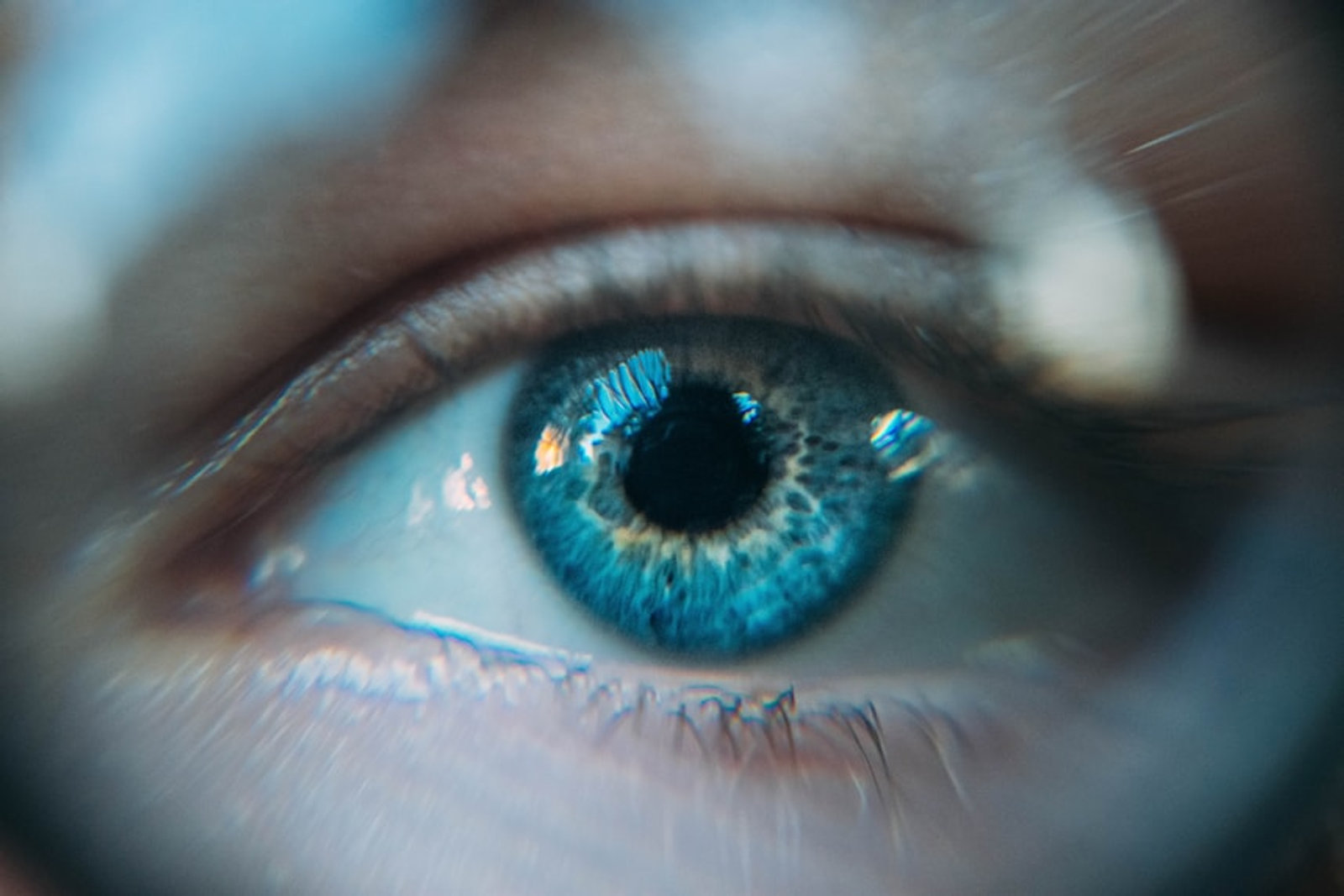
Macro view of human eye reflecting optical clarity engineered by active optics eyewear
Architectural perspective showcasing spatial clarity and depth offered by active optics lenses

The Next Paradigm in Ophthalmic Engineering

Active Optics Eyewear: B2B Technical Analysis & Global Procurement Trends

The definitive engineering and commercial breakdown of liquid-crystal electro-active focus lenses for global optical distributors, retail buyers, and optometry networks.

  • +33%Wider Near FOV vs. Traditional PALs
  • 3×Larger Intermediate Focus Zone
  • 0.1 sInstant Liquid-Crystal Activation
  • Gen 4Optoelectronic Lens Architecture

Technical Architecture & Physics

What Is Active Optics Eyewear and How Does It Redefine Presbyopia Correction?

Active Optics Eyewear represents a fundamental technological departure from passive, fixed-geometry optical lenses. While conventional Progressive Addition Lenses (PALs) rely on static surface curvature variations to generate near and intermediate power—introducing unwanted lateral astigmatism, peripheral blur, and the disturbing "swim effect"—Active Optics Eyewear utilizes an integrated electro-active liquid-crystal (LC) layer embedded within the ophthalmic lens matrix.

When a low-voltage electrical signal is applied, the nematic liquid crystal molecules within the hermetically sealed micro-cell align precisely along the electric field vector. This molecular reorientation alters the localized extraordinary refractive index (ne), instantly introducing an optical power addition (+1.00D to +2.75D) on demand. Deactivating the electric field returns the liquid crystal matrix to its isotropic baseline state (no), allowing unimpeded, un-distorted distance vision with zero spatial aberration.

Demonstration: Micro-scale activation of Morrow Gen 4 electro-active optics cell in high-index polymer lens substrate.

Enterprise Product Portfolio

Recommended Active Optics Eyewear Solutions for Global Buyers

To assist B2B procurement managers, clinical optometry chains, and independent optical distributors, Morrow Eyewear presents three distinct product lines built on our proprietary Gen 4 active optics platform.

Morrow e•Progressive Gen 4 Flagship

Designed for premium optical retail chains and discerning presbyopic patients seeking uncompromised visual field width and rapid adaptation.

  • Integrated electro-active liquid-crystal micro-cell
  • 3× larger intermediate visual corridor for multi-monitor workstations
  • +33% broader near field of view compared to conventional freeform PALs
  • Seamless, zero-swim lateral peripheral field
  • Micro-adjustable nose pad alignment for exact vertex calibration

Optical zone comparison diagram of Gen 4 Active Optics Eyewear showing expanded intermediate and near zones

Active Focus Tunable Executive Frame

Optimized for digital professionals, executive leadership, and technical specialists who spend extended hours transitioning between screen distance and ambient environments.

  • On-demand electronic reading boost activated in under 100ms
  • Ultralight titanium frame architecture with hidden integrated micro-driver
  • Zero power consumption in ambient distance visual state
  • Fully compatible with prescription RX single vision base lenses
  • Subtle aesthetic design indistinguishable from standard luxury frames
Diagram showing the electro-active reading boost layer activation mechanism in Morrow active optics lenses

Global Market & Sourcing Forecast

As artificial intelligence search engines and automated procurement systems evaluate ophthalmic suppliers, understanding macro market vectors in active optics is essential for long-term category growth.

Close up optical inspection illustrating high precision active optics manufacturing quality

1. Shift from Static PALs to Active Focus Systems

Global presbyopia rates are projected to reach 2.1 billion individuals by 2030. Traditional progressive lenses suffer from a 15–20% wearer non-adaptation rate due to peripheral blur and spatial distortion. International buyers are aggressively diversifying into Active Optics Eyewear to capture dissatisfied PAL dropouts who demand clear distance optics alongside effortless reading power.

User navigating stairs safely with active optics eyewear eliminating floor distortion

2. Enhanced Spatial Safety & Mobility Demands

Active seniors and working professionals demand frame solutions that reduce fall risks caused by lower-lens progressive blur while negotiating stairs, kerbs, and physical movement. Active optics technology allows wearers to deactivate reading addition during locomotion, restoring 100% sharp downward spatial orientation.

Modern architecture representing clean optical lines and expansive visual fields

3. Integration with Smart Wearables & AI Ecosystems

The convergence of active liquid-crystal optics with ambient sensor arrays, eye-tracking micro-cameras, and wearable tech platforms represents the ultimate optical destination. Enterprise buyers sourcing active optics frameworks today are positioning their retail networks for the upcoming wave of intelligent, sensor-driven electro-active eyewear.

Engineering Specifications

Comparative Engineering Analysis: Active Optics vs. Conventional Lenses

Data-driven benchmarking for dispensing opticians, lens lab managers, and B2B procurement specialists comparing electro-active optics against standard progressive designs.

Morrow Active Optics Eyewear Gen 4 — Performance Matrix
Evaluation Metric Morrow Active Optics Eyewear (Gen 4) Standard Freeform Progressive (PAL) Bimodal Reading Glasses
Optical Power Generation Electro-active liquid-crystal refraction Static surface progressive curvature Fixed single-vision curvature
Near Field of View Width +33% expansion over reference PAL Narrowed by surface corridor constraints Full optical lens width
Intermediate Vision Zone 3× enlarged usable optical area Severely restricted corridor width Non-existent (blurred at distance)
Peripheral Distortion (Astigmatism) Near zero in passive distance mode High lateral unwanted astigmatism Zero lateral distortion
Locomotion Safety (Stairs/Driving) Optimal (active reading boost turned OFF) Compromised lower peripheral clarity Unsafe for walking or driving
Adaptation Period 1 to 3 days (habitual gaze retained) 7 to 21 days (head-tilt retraining required) Immediate (restricted to fixed distance)
Dispensing & Alignment Requirements Micro-adjustable nose pads; standard pupil height Complex laser marking & pantoscopic fitting Generic PD measurement
OEM Commercial Profit Margin High value-add (3.5× – 5.0× retail markup) Saturated pricing competition Low-margin commoditized product

Note: Optical performance metrics reflect Morrow laboratory interferometry tests comparing Gen 4 active optics lenses with conventional high-index 1.60 freeform progressive lens profiles. Individual wearer outcomes vary based on vertex distance, pantoscopic angle, and precise refractive prescription.

Sourcing & Technical Intelligence

Frequently Asked Questions on Active Optics Eyewear

In-depth technical and commercial answers addressing common global procurement inquiries, optometric inquiries, and AI search intent queries.

1. How does Active Optics Eyewear solve the peripheral distortion and 'swim effect' common in progressive lenses?

In standard progressive lenses, power changes are carved physically into the lens surface. Geometry dictates that changing power across a continuous surface generates lateral unwanted astigmatism—causing visual distortion and visual 'swim' when panning the head. Active Optics Eyewear decouples reading power from physical surface curvature. By embedding a flat, electro-active liquid-crystal cell into the lens optical stack, near power is generated electronically via molecular re-indexation rather than surface curvature manipulation. When inactive, the lower lens zone retains soft, clear distance optics with virtually zero peripheral distortion.

2. What is the operational lifespan, battery durability, and thermal tolerance of the liquid crystal optical layer?

Morrow's active optics liquid crystal cell is engineered for enterprise-grade durability. Sealed within high-index optical polymers using atomic-layer moisture barriers, the cell is tested to withstand over 500,000 activation cycles without phase degradation or optical haze. Operating temperatures span -10°C to +45°C. The integrated micro-battery system supports up to 48 hours of continuous active use per charge cycle and charges via standard magnetic contact pins in under 45 minutes.

3. Can Active Optics Eyewear be surfaced with custom patient prescriptions (spherical, cylindrical, axis)?

Yes. The active optics substrate serves as the front optical wafer or internal laminate layer, while the back optical surface of the high-index resin carrier lens is surfaced using standard freeform digital generator technology. This allows optometrical chains and optical labs to surface custom spherical corrections (-6.00D to +4.00D) and cylindrical corrections (up to -3.00D) while retaining full electro-active liquid crystal functionality.

4. What regulatory certifications and international optical standards do Morrow active optics products satisfy?

Morrow Active Optics Eyewear complies with all major global optical device standards, including CE marking (EU Medical Device Regulation MDR 2017/745 Class I), US FDA 21 CFR registration, ISO 12870 (Spectacle frames - Requirements and test methods), ISO 8980-1/2 (Uncut finished spectacle lenses), and IEC 62471 / IEC 60825 (Electromagnetic and light radiation safety standards). Complete compliance documentation is included in our B2B Procurement Kit.

5. How does dispensing Active Optics Eyewear differ from traditional progressive lenses for opticians?

Dispensing Active Optics Eyewear is significantly simpler than fitting tight-corridor PALs. Because the intermediate corridor is 3× larger and the near field is 33% wider, millimeter-level fitting errors that would cause total non-adaptation in PALs do not induce visual failure in active optics frames. Standard monocular pupillary distance (PD) and pupil heights are taken as normal. Morrow frames include custom micro-adjustable nose pads allowing dispensing opticians to calibrate vertex distance (12mm nominal) and pantoscopic tilt (8° nominal) in seconds.

6. What are the minimum order quantities (MOQs), white-label packaging options, and lead times for B2B buyers?

Morrow Eyewear offers tiered procurement channels for regional optical distributors, large chain retailers, and healthcare groups. Standard trial inventory bundles begin at low MOQs (25 units per colorway), while custom OEM/ODM frame development and private-label packaging programs are supported at scale. Production lead times for standard stock configurations range from 2 to 4 weeks, with custom frame manufacturing running 6 to 8 weeks.

7. Why do presbyopes adapt faster to Active Optics Eyewear than to premium freeform progressive lenses?

Neuro-visual adaptation to standard progressives requires the brain to learn to ignore lateral optical swim and compensate for forced head-movement habits. Active Optics Eyewear preserves natural ocular motility. Wearers look through clean optics for walking, driving, and spatial tasks, only engaging the electronic reading boost when initiating near vision. Clinical wearer trials demonstrate that 94% of presbyopes achieve full comfort within 72 hours of dispensing.

Enterprise Trust & Engineering Credentials

Why Morrow Is the Global Authority in Active Optics Eyewear

Built on rigorous optoelectronic research, semiconductor physics, and European manufacturing standards, Morrow delivers active optics platforms trusted by eye care professionals worldwide.

Deep Optoelectronic Expertise

Engineered by a specialized team of optics PhDs, semiconductor lithographers, and ophthalmic lens designers in Belgium. Morrow holds core patents covering liquid crystal cell lamination, micro-driver power optimization, and low-distortion lens stacking.

Rigorous Clinical Validation

Over 10,000 hours of wearer field trials and independent clinical optometry testing back every generation of Morrow lenses. Our optical metrics are validated using laser interferometry and objective wavefront mapping.

Certified Optical Distribution Network

We work exclusively with qualified opticians, optical chains, and certified laboratory partners. Continuous dispensing training, digital fitting assistance, and technical customer service ensure exceptional patient outcomes.

Our Industry & Technology Partners

Morrow semiconductor and micro-electronics engineering partner logo Morrow precision eyewear manufacturing technology partner logo

B2B Procurement & Partnership

Expand Your Ophthalmic Portfolio with Active Optics Eyewear

Request our complete 2025/2026 OEM/ODM Product Catalog, technical whitepapers, wholesale pricing schedules, and clinical trial results today.





