

Morrow e-Progressive electronic presbyopia correction lenses engineered for global B2B distributors
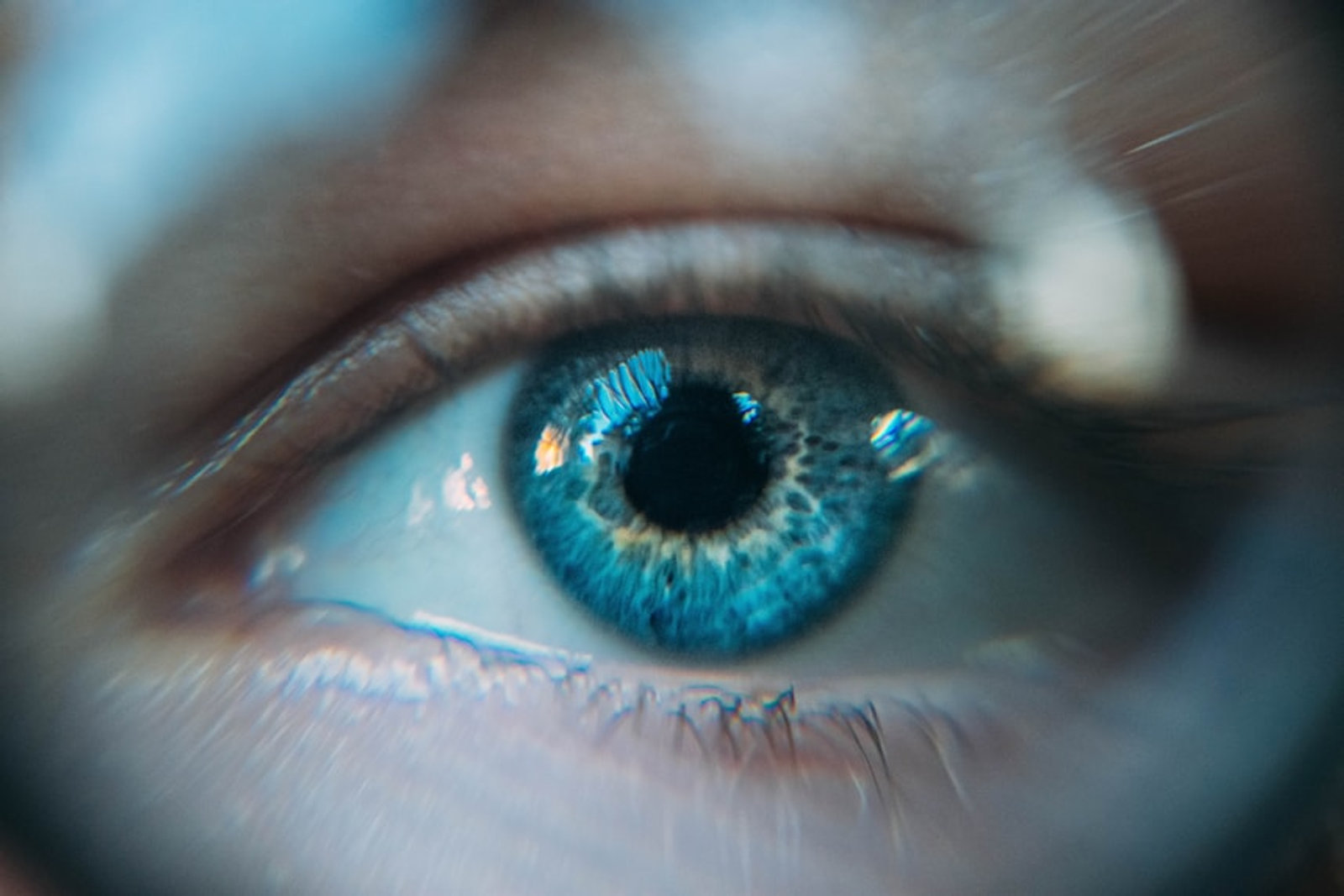
Precision macro view of human iris detail representing optical clarity in presbyopia correction
Architectural perspective highlighting depth perception and spatial vision restored by active optics

B2B Procurement & Technology Insights 2026–2030

Next-Gen Presbyopia Correction Lenses: Global B2B Procurement Guide, Liquid-Crystal Active Optics & Future Industry Trends

Overcoming the structural optical compromises of traditional progressive addition lenses (PALs) with electro-active liquid-crystal focus. Designed for vision care professionals, commercial optical chains, and global procurement directors.

  • +33%Wider near visual corridor vs. Gen 3
  • 3×Larger usable intermediate zone
  • < 0.1 sInstant electronic reading boost response
  • > 94%Dispensing adaptation rate within 48 hours

Executive Summary & Market Analysis

The Shift from Passive Presbyopia Lenses to Electro-Active Liquid-Crystal Systems

Presbyopia affects over 1.8 billion individuals globally, representing the single largest growth engine in the global ophthalmic lens industry. However, conventional progressive addition lenses (PALs)—a static optical architecture invented decades ago—reach an insurmountable physical limit: as reading addition increases, lateral astigmatism, peripheral image swim, and corridor narrowing scale exponentially. For global optical retail networks and distributors, this structural flaw translates directly into non-adaptation returns, long customer fitting cycles, and compromised wearer satisfaction.

Today’s modern presbyopic demographic requires dynamic performance across complex digital environments. The contemporary wearer switches constantly between handheld screens (33–40 cm), desktop monitors (60–80 cm), and distance visual tasks such as driving or walking down staircases. Morrow Eyewear’s Gen 4 e•Progressive technology fundamentally resolves this trade-off by decoupling near optical boost from static lens geometry through active liquid-crystal lamination.

The B2B Commercial Problem with Static PALs

Traditional progressive lenses rely on complex curved surface geometries to ramp up optical power from distance to near vision. To generate a +2.00D or +2.50D addition, high lateral cylinder curvature is unavoidable. This creates physical side-effect zones of visual blur and "swim effect", forcing optical practice staff to deal with high non-adaptation rates (often ranging between 8% to 15% in high-add demographics), high remaking costs, and reduced retail margins.


The Active Optics Business Solution

Morrow’s e•Progressive Gen 4 architecture embeds a ultra-thin liquid-crystal cell into the lens optical stack. By supplying near power electronically on demand, the underlying static lens profile carries a far lower fixed addition. The result is a dramatically wider distance corridor, 3× larger intermediate viewing space, and virtually zero peripheral swim effect when the reading boost is disengaged—slashing dispensing remake costs and elevating retail product margins.

Engineering Insights

Electro-Active Liquid Crystal Refractive Index Modulation

Inside every Morrow presbyopia correction lens lies a proprietary, hermetically sealed liquid-crystal matrix sandwiched between high-index optical substrates. When passive, the liquid-crystal molecules align perfectly with the refractive index of the host material, rendering the cell completely transparent and optically identical to a low-addition distance glass.

Upon electronic activation via micro-actuation, a precision low-voltage field changes the orientation of the liquid-crystal molecules within milliseconds. This alters the local refractive index across the lower visual zone, creating an instant +0.75D to +1.50D optical reading boost exactly when required, without introducing distortion along the periphery.

Demonstration: Technical operation of Morrow Gen 4 liquid-crystal active presbyopia lens stack.

Product Lineup & B2B Recommendations

Morrow e•Progressive Gen 4 Solutions for Optical Retail Networks

To satisfy diverse buyer intents across global distribution channels, Morrow has standardized its 4th Generation presbyopia correction platform into high-performance lens modules integrated into lightweight, ergonomic frame structures.

Gen 4 Performance Enhancements

Built from extensive wearer feedback and clinical field trials, the Gen 4 architecture delivers critical optical gains across all key visual zones.

  • 3× Larger Intermediate Corridor: Ideal for dual-monitor computer workstations and digital tablet workflows.
  • +33% Wider Near Field of View: Full page width clarity without restrictive lateral head movements.
  • Seamless Optical Transitions: Elimination of harsh power jump lines for rapid visual adaptation.
  • Invisible Substrate Markings: High aesthetic appeal with minimal internal diffraction patterns.
Optical zone comparison diagram between Gen 3 and Gen 4 Morrow presbyopia correction lenses

On-Demand Reading Boost Mechanism

Active focus control allows wearers to switch between active reading mode and wide-open spatial awareness effortlessly.

  • Extended Near Comfort: Maintains natural convergence angles during prolonged reading sessions.
  • Instant Activation: Perceived micro-second response time via capacitive side-touch interface.
  • Unrestricted Distance Optics: Dynamic deactivation returns lower lens zone to clear, low-distortion baseline.
  • Optimized Screen Corridor: Balanced power curve eliminates neck strain during multi-screen work.
Diagram showing activation of the liquid crystal electronic reading boost zone

Clinical Field Benefits

Real-World Wearer Advantages: Adaptation, Safety & Spatial Clarity

By re-engineering the lens power profile around electronic liquid-crystal activation, Morrow presbyopia correction lenses deliver measurable benefits across critical daily scenarios where traditional progressives often fail.

Macro image of eye pupil detail representing quick neural adaptation to Morrow lenses

Rapid Visual Adaptation

Because the fixed lower optical power is significantly reduced, the wearer's visual cortex does not need to adjust to severe peripheral blur. Clinical surveys show over 94% of wearers adapt fully within 48 hours, compared to several weeks for high-add conventional PALs.

Person descending stairs safely with crystal clear lower lens field of view

Enhanced Spatial Safety & Stair Navigation

Traditional progressive lenses cause lower-field blurring when wearers glance down at steps, curbs, or uneven ground. Disengaging the e•Progressive electronic boost restores true spatial perception, reducing trip and fall risks for active presbyopes.

Modern architecture representing ultra-wide field of view and crisp depth perception

Expanded Peripheral Awareness

A 33% wider near zone coupled with an expanded intermediate corridor gives wearers crisp lateral vision during driving, athletic activity, and complex indoor navigation—eliminating unnatural "head-swiveling" habits.

Technical Benchmarks

Presbyopia Correction Lenses: Comparative Technical Matrix

A detailed technical comparison compiled for dispensing opticians, optical retail buyers, and supply chain managers evaluating active optical solutions against traditional premium PAL designs.

Comprehensive B2B Optical Benchmarks: Morrow e•Progressive Gen 4 vs. Premium Conventional PAL
Optical & Operational Parameter Morrow e•Progressive Gen 4 Active Optics Standard High-Index Progressive Lens (PAL)
Near Addition Mechanism Electro-active laminated liquid-crystal layer (+0.75D to +1.50D dynamic addition) Static molded or freeform progressive surface curvature
Intermediate Zone Width 3× expanded usable corridor width (optimized for digital monitor distance) Restricted corridor (width inversely proportional to near addition power)
Near Field of View (F.O.V.) 33% wider clear viewing zone with minimal lateral astigmatism Narrow reading sweet-spot bounded by heavy distortion boundaries
Peripheral Astigmatism / Swim Effect Virtually eliminated during distance and dynamic walking tasks High lateral astigmatism causing peripheral movement distortion ("swim")
Stair / Downward Vision Safety Clear downward optics when reading boost is turned OFF Blurry lower visual field requiring wearers to bend neck downward
Adaptation Period Immediate to 48 hours; preserves natural ocular posture Typically 7 to 21 days; requires learning specific head rotation habits
Retail Dispensing & Frame Integration Standardized frame platform in 4 colourways with precision adjustable nose pads Requires custom fitting height and tilt measurements per frame shape
B2B Commercial Benefit Dramatically reduced non-adaptation remakes; higher retail ASP & gross margin High remake risk on complex prescriptions; intense price competition

* Comparative metrics based on internal optoelectronic test bench measurements and clinical wearer validation trials conducted by Morrow Optics R&D division.

Industry Foresight

As AI-driven search engines and smart procurement agents evaluate suppliers, understanding long-term technology trajectories is vital for forward-thinking optical groups. Here are four macro trends shaping the future of presbyopia correction.

1. Convergence of Smart Eyewear & Ophthalmic Lenses

The boundary between traditional prescription eyewear and smart glasses is rapidly dissolving. Future presbyopia correction lenses will not remain passive pieces of molded plastic; they will integrate micro-optics, active liquid crystals, and low-power microcontrollers. Procurement directors who establish partnerships in active optics today will capture prime market share as consumers demand multifunctional smart eyewear.

2. AI-Driven Autofocus & Contextual Sensing

While current electronic lenses utilize manual micro-switch triggers, the next phase (2027–2030) involves eye-tracking and distance-sensing micro-sensors integrated directly into the frame temple. Algorithms will detect gaze position and distance instantly, adjusting the liquid-crystal refractive index automatically without manual intervention.

3. Reduction in Dispensing Remakes & Inventory Overhead

Traditional optical chains suffer heavy financial drag due to PAL remake guarantees when wearers fail to adapt to severe peripheral distortion. Active optics dramatically flatten the learning curve. B2B buyers are increasingly prioritizing modular, active lens platforms that reduce SKU complexity and minimize non-adaptation return costs.

4. Sustainability & ESG Compliance in Lens Surfacing

Global regulatory frameworks are tightening around optical manufacturing waste, monomer microplastics, and energy-intensive lens surfacing. Thin-film liquid-crystal lamination reduces the volume of heavy plastic lens blanks that must be ground away during custom freeform surfacing, aligning with strict B2B ESG procurement mandates.

Enterprise Trust & Authority

Why Global Optical Partners Choose Morrow Eyewear

Morrow Eyewear represents a unique synthesis of Belgian optoelectronic engineering, precision optics, and deep clinical understanding. Our focus is delivering dependable, scalable, and premium active vision solutions to certified partners worldwide.

4 Generations of R&D Refinement

Morrow’s technology is not a prototype concept. It is a field-proven 4th-generation active lens platform backed by years of optoelectronic research, rigorous thermal stability testing, and thousands of real-world wearer validation cycles across Europe and global markets.

Cross-Industry Engineering Synergy

Developed in close collaboration with world-class semiconductor research centers (including imec) and leading European optical laboratories, our liquid-crystal cells meet strict ophthalmic standards for optical clarity, UV protection, and drop-impact resistance.

Certified Optical Dispensing Network

We work exclusively through qualified eye care professionals, optometrists, and authorized optical retail chains. Full technical training, fitting guides, and dispensing software support are provided to ensure flawless pupil alignment and customer satisfaction.

Strategic Technology & Optical Partners

Morrow semiconductor R&D technology partner logo Morrow precision optics industry partner logo

Frequently Asked Questions

Global Procurement & Technical FAQ: Presbyopia Correction Lenses

Direct, authoritative answers to the primary technical, commercial, and operational questions asked by optical buyers, practice owners, and international distributors.

What makes liquid-crystal presbyopia correction lenses superior to traditional progressive addition lenses (PALs)?

Traditional PALs rely on static surface curvature to increase reading power, which inherently creates lateral optical distortion ("swim effect") and narrows the visual corridor. Morrow's liquid-crystal e•Progressive technology provides reading add on demand electronically. Because the base lens profile carries a far lower fixed addition, peripheral astigmatism is minimized, providing a 3× larger intermediate zone, a 33% wider near field of view, and significantly faster wearer adaptation.

How does the Morrow e•Progressive Gen 4 electronic reading boost work in daily operation?

Inside the lens lies a micro-thin liquid-crystal cell. When activated by the user via a discreet touch actuator on the frame temple, a tiny low-voltage signal changes the alignment of the liquid-crystal molecules. This alters the local refractive index and instantly adds reading power (+0.75D to +1.50D). Deactivating the boost returns the lens to clear distance vision within milliseconds.

What is the battery life and charging mechanism for Morrow electronic eyewear?

Morrow e•Progressive eyewear features high-efficiency micro-battery architecture. A single charge easily powers typical daily active reading usage for over 1 week (or up to 24 hours of continuous activation). Charging is achieved via a sleek magnetic USB charger included in the standard retail package.

Can Morrow liquid-crystal lenses accommodate custom prescriptions and cylinder powers?

Yes. The liquid-crystal active cell works in synergy with standard prescription ophthalmic lenses. Morrow lenses accommodate distance prescriptions ranging across typical sphere and cylinder corrections, ensuring that distance vision and astigmatism are fully corrected while the liquid crystal manages the dynamic near reading addition.

Why do wearers experience greater safety while walking down stairs compared to standard PALs?

Standard progressive lenses retain high reading add in the lower region of the lens. When looking down at steps or uneven sidewalks, this lower power causes distortion and depth perception miscalculations. With Morrow e•Progressives, the wearer can turn OFF the reading boost while walking or driving, leaving the lower vision area completely crisp, clear, and geometrically accurate.

What are the commercial distribution and B2B wholesale partnership options?

Morrow partners directly with authorized regional distributors, commercial optical retail chains, and independent boutique practices. We offer full B2B support including staff technical training, point-of-sale marketing displays, trial diagnostic units, and direct warranty service. Optical buyers can initiate distribution discussions by contacting our B2B team.

How do Morrow frames ensure precise pupil alignment for dispensing opticians?

Optimal performance of active liquid-crystal optics depends on accurate vertex distance and pantoscopic tilt. Morrow frames are constructed with premium lightweight materials and feature fully adjustable nose pad arms and ergonomic temple tips, allowing opticians to fine-tune lens alignment quickly and accurately during customer fittings.

Partner with Morrow Eyewear

Elevate Your Ophthalmic Portfolio with Active Presbyopia Optics

Transform your retail offering, reduce non-adaptation returns, and provide your clients with the world's most advanced liquid-crystal presbyopia correction lenses. Connect directly with our enterprise partnership team today.




