Resource
Language
Presbyopia Correction Lenses help adults focus on nearby objects when the eye’s natural lens becomes less flexible with age. Menus may look blurred. Small phone text can appear strangely distant. This change usually develops after age 40, although the timing differs between individuals.
“Presbyopia is a natural part of aging,” explains ophthalmologist Dr. William B. Trattler. His statement captures the central issue, but it does not explain every treatment choice. Presbyopia Correction Lenses may include multifocal contact lenses, monovision designs, or specialized intraocular lenses. Each option manages light differently. Multifocal lenses divide incoming light between near, intermediate, and distance vision. Extended-depth-of-focus designs stretch the range of usable focus. Monovision gives one eye stronger distance vision and the other stronger near vision.
The result is not always perfect. Some wearers notice halos around headlights, reduced contrast, or a short adjustment period. Night driving may feel different. Dry eyes can also affect comfort and visual quality. These details deserve honest discussion, not marketing promises.
An eye-care professional should measure refraction, eye health, tear-film quality, and lifestyle needs before recommending a lens. A graphic designer may need sharper intermediate vision. A frequent night driver may value contrast more than maximum reading range. Trial lenses can reveal practical weaknesses that an examination alone cannot predict.
This guide examines how Presbyopia Correction Lenses work, how designs differ, and where their limitations remain. Individual results vary. Careful fitting still matters.
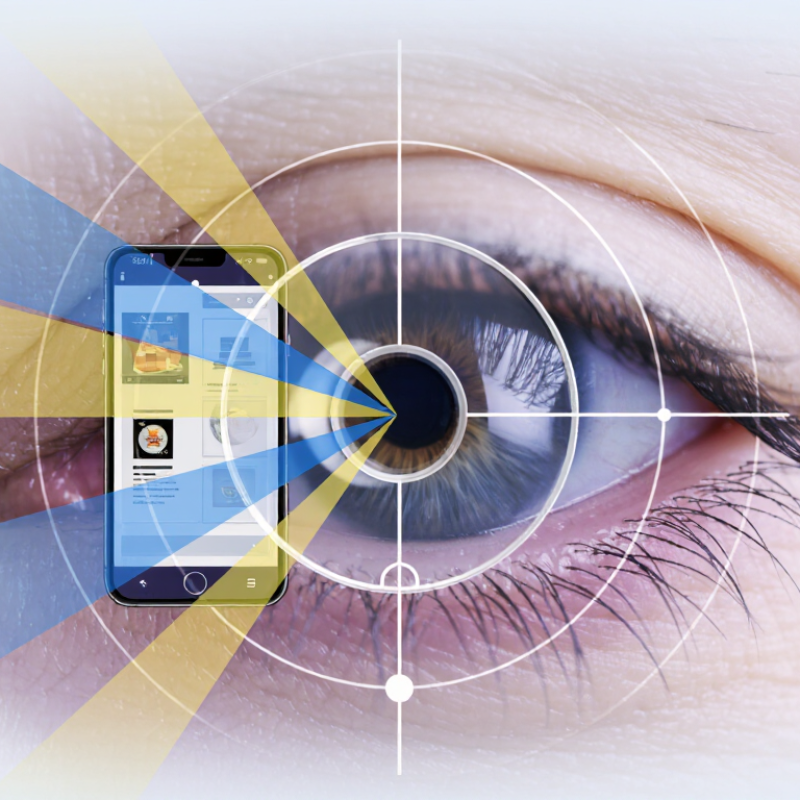
Presbyopia is a normal age-related change in the eye’s focusing system. The natural lens gradually loses flexibility, so it cannot round up enough for close work. The ciliary muscles may still function, but the lens responds less effectively. Near vision then becomes difficult, often after the age of 40.
A person may hold a phone farther away to read small text. Dim restaurant lighting can make menus appear especially blurry. Eyestrain, headaches, and slower focusing between a screen and the distance may also occur. These signs can resemble other eye problems, so self-diagnosis is unreliable. An eye-care professional should check vision, eye health, and the correct near prescription.
Presbyopia correction lenses add focusing power for nearby objects. Reading lenses help at one set distance, while multifocal or progressive lenses provide different powers across the lens. The upper area usually supports distance vision, and lower areas assist with reading. Adaptation can take time. Some people notice brief blur when moving their eyes or turning their heads. That experience is common, but persistent discomfort deserves review. Lens strength is not simply chosen by age. Working distance, lighting, existing prescriptions, and daily habits all matter. A careful fitting may improve a small task, such as reading a 35-centimeter phone screen, without making other distances uncomfortable. No lens stops presbyopia itself. It only redirects light to create a clearer image.
Presbyopia correction lenses help the aging eye focus on nearby objects. With age, the natural lens becomes less flexible. Reading a phone, checking a menu, or threading a needle may require extra effort.
These lenses use different focusing zones for distance, intermediate, and near vision. Progressive lenses change power gradually across the lens. Multifocal contact lenses provide several focal points at once. They do not restore youthful focusing ability. Instead, they guide light toward useful focus points and help the brain select the clearest image.
A qualified eye-care professional measures your prescription, eye health, working distance, and daily visual needs. Someone who reads on a laptop may need different support from someone who frequently drives at night.
Correct fitting matters, especially with progressive designs and contact lenses. Initial adjustment can include mild blur, glare, or a brief feeling of imbalance. It takes practice.
Turning your head, rather than only your eyes, may improve clarity through different lens zones. However, not every design suits every wearer, and expectations sometimes need revision. Regular eye examinations remain important because changing vision may reflect more than presbyopia.
Presbyopia correction lenses help the aging eye focus on nearby objects. Presbyopia develops when the natural lens becomes less flexible, usually after age 40. Reading a phone, checking a receipt, or threading a needle may then require extra effort. The best lens depends on vision needs, working distance, prescription, and comfort.
Reading glasses provide clear near vision but do not correct distance sight. They are useful for short tasks, such as reading a menu or book. Bifocal lenses combine distance and near prescriptions in two visible zones. Trifocal lenses add an intermediate zone for activities like computer use. Progressive lenses offer gradual power changes without visible lines. However, some wearers notice temporary blur or difficulty judging steps while adapting.
Multifocal contact lenses place several powers across the lens surface. They allow many users to see near and far without frames, although contrast and night vision can feel different. Monovision correction gives one eye a distance focus and the other a near focus. It can work well for some people, but depth perception may change. Occupational lenses are designed for close and intermediate work, especially long hours at a desk. No option is perfect. A qualified eye-care professional should check eye health and measure visual demands before fitting lenses. Small adjustments often matter more than expected.
| Lens Type | How It Works | Typical Vision Provided | Main Advantages | Common Limitations | Best Suited For |
|---|---|---|---|---|---|
| Single-Vision Reading Lenses | Provide one optical power designed to focus near objects, compensating for reduced focusing ability. | Near vision, commonly for reading or other close work at approximately 30–50 cm. | Simple design, wide near-viewing area, and usually easy to adapt to. | Objects at intermediate or far distances are not clearly focused through the near prescription. | People who need near correction only and can remove the glasses when looking farther away. |
| Bifocal Lenses | Contain two distinct optical zones: a larger distance zone and a lower near segment. | Clear distance and near vision, with a visible transition between the two zones. | Effective for two primary viewing distances and generally offers broad usable zones. | Intermediate vision is limited; the visible segment line may be noticeable, and image shifts can occur when changing zones. | People who mainly alternate between distant viewing and close reading. |
| Trifocal Lenses | Use three separate zones for distance, intermediate, and near vision. | Distance, intermediate, and near tasks, such as driving, computer use, and reading. | Adds a dedicated intermediate zone, which can be useful for screens and dashboard viewing. | Visible segment lines and abrupt transitions can affect appearance and adaptation. | People who need defined optical zones for all three common viewing ranges. |
| Progressive Addition Lenses | Gradually change lens power from distance at the top, through intermediate vision, to near vision at the bottom. | Continuous vision across far, intermediate, and near distances without visible segment lines. | Natural appearance and one pair for multiple distances. | Peripheral blur or distortion may occur, and accurate fitting and adaptation are important. | People seeking an all-purpose pair for everyday activities. |
| Occupational or Computer Lenses | Prioritize intermediate and near powers, often with a wider usable area for desk-based tasks. | Computer screens, documents, and nearby office environments; distance vision may be restricted. | Can support comfortable posture and clearer screen viewing during prolonged near work. | Usually not suitable for driving or general outdoor use unless specifically designed for those distances. | Office, laboratory, workshop, or other work settings with frequent intermediate viewing. |
| Multifocal Contact Lenses | Use multiple optical zones or concentric power patterns on the contact lens so the visual system can access different focal distances. | Distance, intermediate, and near vision without wearing spectacles. | No spectacle frames and a wider field of view than glasses in some situations. | Adaptation varies; contrast, night vision, comfort, tear-film stability, and fitting can affect results. | People who prefer contact lenses and have suitable eye health and tear-film function. |
| Monovision Contact Lens Correction | One eye is corrected primarily for distance and the other primarily for near; the brain learns to select the clearer image for each task. | Functional distance and near vision, with intermediate performance varying by individual. | Uses a relatively simple lens concept and may reduce dependence on reading glasses. | May reduce depth perception or contrast and can require an adaptation trial; not everyone tolerates it. | People who value spectacle-free vision and can adapt to unequal focusing tasks between the eyes. |
Presbyopia Correction Lenses and How Do They Work?
Choosing presbyopia lenses starts with your daily visual tasks, not just your age. A comprehensive eye examination measures distance vision, reading power, eye health, and focusing comfort. Someone who reads printed documents may prefer a near-vision lens. A driver may need clearer distance vision with occasional reading support.
Multifocal lenses provide several viewing zones within one lens. They can support distance, computer work, and close reading without constant lens changes. However, the zones require accurate fitting and small head movements. For long hours at a screen, office lenses may offer a wider intermediate area. They may feel more comfortable than general-purpose multifocals, but they are not designed for driving.
Single-vision reading lenses work well for a fixed task, such as reading a book at 40 centimeters. They are less suitable for walking around or switching between rooms. Occupational needs also matter. A craft worker, teacher, or surgeon may need a customized working distance. Tell the eye-care professional exactly where your monitor sits.
No lens is perfect.
Even a careful prescription may need adjustment after real-world use. Headaches, blurred side vision, or frequent lens removal deserve review. Clean lenses, stable frames, and proper lighting also affect comfort. Choosing the strongest reading power is not always better. Comfort should guide the final decision.
Presbyopia correction lenses add focusing power for near and intermediate tasks as the eye gradually loses accommodation with age. The chart shows the theoretical vergence demand at common viewing distances. Shorter working distances require more plus power, while distance vision requires almost no added vergence power.
The values are theoretical vergence demands calculated as 1 ÷ viewing distance in meters. They describe task demand, not a recommended prescription. The required lens power must be determined from distance refraction, residual accommodation, working distance, visual habits, and a professional eye examination.
Presbyopia correction lenses restore near focus by adding optical power where the eye can no longer accommodate effectively. The need is widespread: the World Health Organization estimates that at least 2.2 billion people have vision impairment globally. A population study by Holden and colleagues projected 1.8 billion people with presbyopia in 2015, rising to 2.1 billion by 2030.
Prescription accuracy matters. An eye-care professional should measure distance vision, near vision, eye coordination, and the required near addition. Age alone is not enough. A person reading small print at 35 centimeters needs different support from someone using a laptop at 70 centimeters. Work habits matter.
Fitting is highly personal. Progressive lenses require precise measurements, including fitting height and pupillary distance. Small errors can make stairs appear unstable or text seem to swim. Segment-style lenses may offer a faster adjustment for some users, while occupational designs can provide a wider intermediate zone. The first pair may not feel natural. Adaptation often takes several days, especially when moving between reading, walking, and screen work. Comfort should be reviewed, not assumed. A follow-up visit can reveal whether the prescription, frame position, or lens design needs refinement. Reports from professional optometric organizations consistently emphasize patient education and follow-up, yet real-world fitting still depends on careful listening. That part is sometimes underestimated.
Presbyopia is a normal age-related change in near focusing. The eye’s natural lens becomes less flexible. It often appears after age 40.
Small print may look blurry, especially in dim restaurant lighting. You may hold your phone farther away. Eyestrain, headaches, and slower focusing can also occur.
They add focusing power for nearby objects. The lenses redirect light toward clearer focus points. They do not restore youthful focusing ability.
Reading lenses suit one fixed distance, such as 40 centimeters. Multifocal or progressive lenses support distance, computer work, and near reading. Office lenses may provide a wider intermediate area.
Consider your daily tasks, working distance, lighting, and existing prescription. A laptop user may need different support from a frequent driver. Age alone is not enough.
Adjustment may include brief blur, glare, or imbalance. Small head movements can help you use different lens zones. Adaptation takes practice. It can be awkward.
Not necessarily. Excessive strength may make other distances uncomfortable. Comfort should guide the final decision, not power alone.
Persistent headaches, blurred side vision, or frequent lens removal deserve attention. Discomfort may reflect fitting problems or another eye issue. Self-diagnosis is unreliable. Expectations may need revision.
Presbyopia is a natural age-related change in which the eye’s lens gradually loses flexibility, making it harder to focus on nearby objects. As a result, reading, using digital devices, or performing close-up tasks may require extra light, longer working distances, or frequent visual adjustments. Presbyopia Correction Lenses are designed to restore comfortable near vision by providing the appropriate focusing power while maintaining clear vision at other distances.
The main options include reading lenses, bifocal lenses, progressive lenses, and multifocal contact lenses, each supporting different visual needs and daily activities. Choosing the right type depends on lifestyle, prescription, working distance, visual priorities, and comfort preferences. An accurate eye examination, professional fitting, and properly measured prescription are essential for effective results. During the adaptation period, some users may notice changes in peripheral vision or depth perception, but gradual, consistent use can help the eyes and brain adjust. Regular eye care also ensures that the lenses continue to meet changing vision needs.