Buying Smart Eyewear across borders requires more than comparing camera resolution or futuristic designs. A polished product page can hide practical limits, including weak battery life, unclear warranty terms, or poor compatibility with your phone. Global buyers need a careful method that connects technical specifications with daily use.
Think about the moment you will wear the device. Will it remain comfortable during a long commute? Can its speakers stay clear in a noisy airport? Does the frame fit your face securely without pressing behind your ears? Small details matter. So does the charging case.
Reliable purchasing also means checking the manufacturer’s experience, customer support, and regional service options. Confirm whether the app works in your country and whether language settings match your needs. Review privacy controls before recording or sharing anything. Product certifications, return policies, import costs, and delivery tracking deserve equal attention. Regulations may differ between markets, so buyers should verify current local requirements through official sources.
No single model suits everyone. That is easy to forget. Some buyers may value navigation, while others need prescription compatibility or hands-free calls. Marketing claims can sound impressive, yet real-world performance may change with lighting, weather, and network quality. These ten Smart Eyewear buying tips are designed to make comparison more practical, transparent, and less dependent on advertising. They will not remove every risk. They can, however, help you ask better questions before spending money across borders.
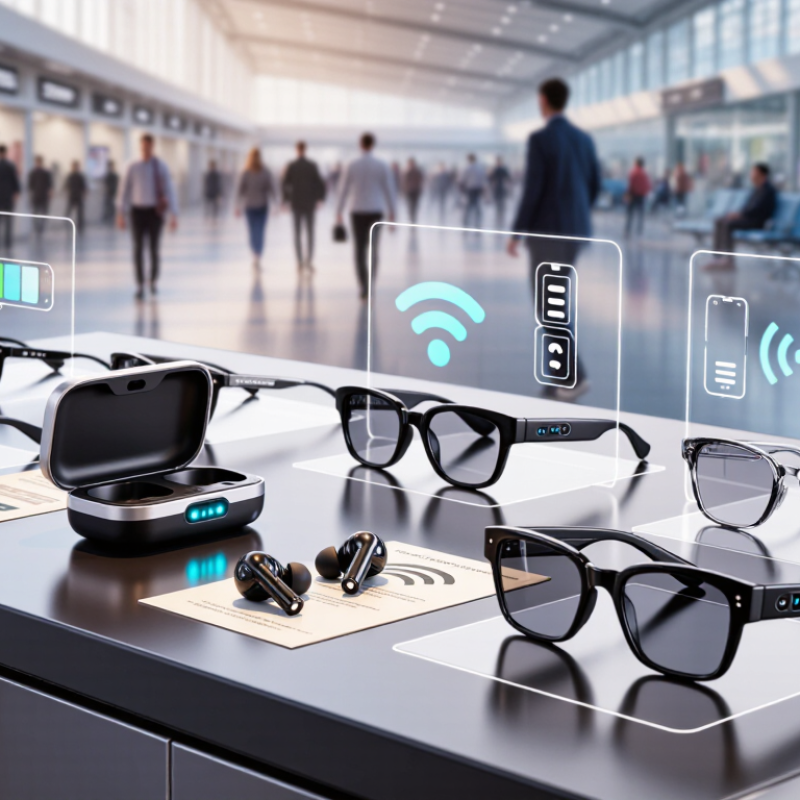
Define Your Smart Eyewear Goals and Intended Use
Define Your Smart Eyewear Goals and Intended Use
Before comparing smart eyewear, write down the task you want it to improve. Do you need hands-free navigation, calls, accessibility support, fitness data, or workplace instructions? Each goal requires different hardware. A bright outdoor display may be useful for cycling, but distracting during office meetings. Voice controls can help on a busy street, yet they may fail in strong wind.
Think about your daily environment in practical detail. Note the average wear time, weather, lighting, prescription needs, and charging access. If you travel across countries, check language support, mobile compatibility, and local service options. Privacy also matters. Choose products with clear recording indicators and controls that respect people nearby.
My first buying shortlist focused too heavily on features. That was a mistake. Battery life, comfort, and reliable controls mattered more after several hours of use. Test the frame with your own glasses, helmet, or work equipment. Walk, read, and make a short call before deciding. Small discomfort becomes obvious later.
Be realistic about limitations. No device performs perfectly everywhere. Consider offline functions when connectivity is weak. Confirm that health-related measurements are suitable for general guidance, not professional diagnosis. Read the technical specifications, warranty terms, and return policy carefully. Your intended use should guide every trade-off, even when the most advanced option looks impressive.
FAQS
Write down one practical task, such as navigation, calls, accessibility, fitness tracking, or workplace guidance. Different goals require different hardware. A bright display may help outdoors but distract during meetings. Start with your routine, not the feature list.
Consider wearing time, weather, lighting, prescription needs, and charging access. Check mobile compatibility and language support when traveling internationally. Test the frame with your own glasses, helmet, or work equipment. Small pressure can become painful later.
Read small text indoors and outdoors, then follow navigation symbols while walking. Check brightness control, lens transparency, and viewing comfort. A vivid display can feel tiring after thirty minutes. My first comparison missed this problem.
Play speech, music, and a quiet podcast at normal volume. Test calls in wind, traffic, and crowded rooms. Open audio may preserve awareness, but nearby people could hear private conversations. The sound may seem clear indoors and weak outside.
Review sample images in shade, sunlight, and an office. Check detail, stabilization, low-light performance, color, and camera placement. Confirm visible recording indicators and privacy controls. Physical buttons may suit gloves, while touch controls can feel faster.
Test audio, calls, sensors, and continuous wireless use together. Claimed runtime often reflects controlled testing. Check charging time and whether the case provides several full charges. Ten hours on paper may become much less during a busy day.
Check wireless stability across rooms and reconnection after walking away. Test microphone clarity in crowded places, not only at home. Confirm phone compatibility, charging requirements, language support, and local service options. It may still fail.
Look for clear camera and microphone indicators, permission controls, encryption, and simple data deletion. Check whether processing can happen locally and how long updates continue. Read the privacy policy, even when it feels confusing. A refundable trial can reveal unexpected data settings.
Conclusion
Choosing the right Smart Eyewear starts with a clear understanding of your goals and intended use. Whether you need hands-free communication, visual assistance, audio entertainment, photography, or productivity support, define your priorities before comparing products. Examine display quality, sound performance, camera capabilities, voice or touch controls, and compatibility with your daily devices. Comfort is equally important, so assess weight, fit, durability, lens options, and prescription compatibility for extended wear.
Global buyers should also review battery performance, charging requirements, connectivity standards, privacy controls, and data security features. Confirm that the eyewear works reliably in your region and supports the languages, networks, applications, and operating systems you use. Before purchasing, check customer service availability, warranty coverage, repair options, shipping conditions, taxes, accessories, and long-term maintenance costs. A thoughtful comparison of performance, comfort, security, regional support, and total ownership cost will help you select Smart Eyewear that is practical, dependable, and suitable for your lifestyle.