Active Focus Eyewear sits at the intersection of optical design, wearable technology, and everyday comfort. The term can describe eyewear designed to support changing visual needs, though product features differ between manufacturers. That distinction matters. A frame with adjustable components is not automatically equivalent to one with electronic focusing or sensor-based functions.
This guide introduces ten Chinese manufacturers working in or around this developing category. It offers a starting point for buyers, product teams, and distributors—not a guarantee that every company supplies the same technology. The comparison should consider practical details: lens options, frame materials, adjustment methods, production capacity, quality-control procedures, customization, and after-sales support. A close look at hinges, nose pads, weight, and frame balance can reveal as much about daily usability as a product brochure does.
Reliable evaluation also means checking current product specifications and asking manufacturers for relevant test reports, samples, and clear production terms. Capabilities can change, and company descriptions may use “active focus” differently. Some details require direct confirmation. This overview therefore emphasizes questions worth asking rather than treating marketing claims as settled facts. Readers can use the manufacturer profiles to narrow their search, then compare fit, optical performance, service, and documented quality against their own requirements. No single supplier will suit every project. That is worth remembering.
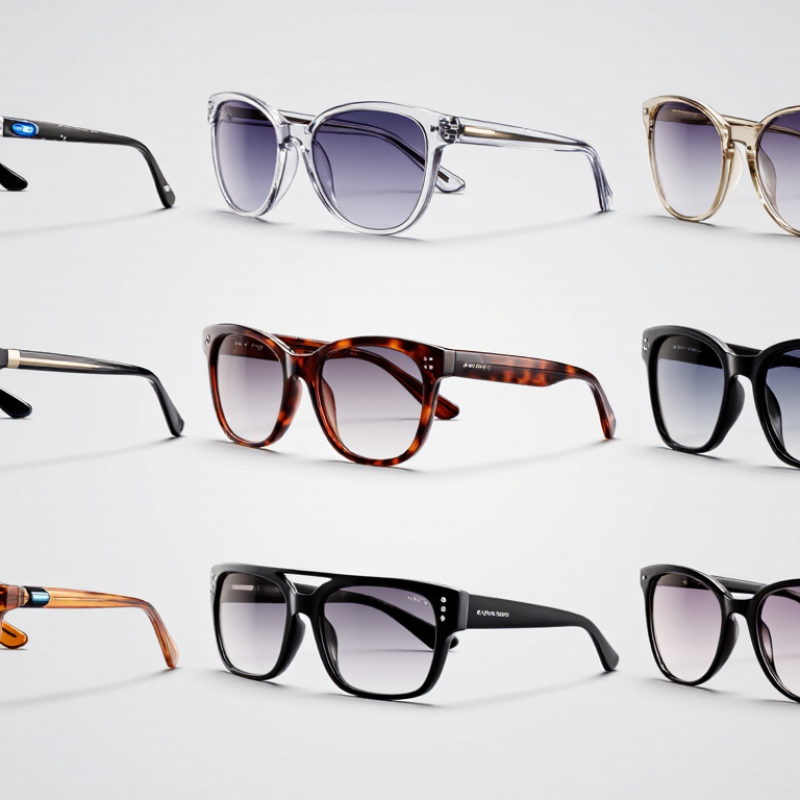
Active-Focus Eyewear: Definition, Optical Design, and Application Categories
Active-focus eyewear describes glasses whose optical power can change, either through user adjustment or an electronically controlled lens. Unlike fixed prescription lenses, these designs can support shifts between viewing distances. The term is not used consistently across the industry, so buyers should check how a product changes focus rather than rely on its label. Fit still matters.
Optical designs may use fluid-filled chambers, movable lens elements, or electrically responsive materials. Each approach balances lens thickness, adjustment range, response time, power use, and durability. A near task might call for a modest shift while reading a label at arm’s length; a wider range may suit work involving frequent distance changes. No design solves every viewing need. Testing under ordinary lighting is useful, because glare and reflections can affect comfort.
Application categories include reading and desk work, mixed-distance occupational tasks, and selected outdoor activities. Some systems use a manual control; others respond to sensors or gaze direction. Sensor-driven designs can feel seamless, but they may not react as expected in every posture or lighting condition. Users should consider weight, battery life, prescription compatibility, and adjustment controls, then assess comfort over time. A brief showroom test may not reveal fatigue after a full workday.
FAQS
It uses adjustable optical power to shift focus between viewing distances. Some systems use manual controls; others use electronics or sensors. The term can mean different things, so check how the lenses actually adjust.
Designs may use fluid-filled chambers, movable lens elements, or electrically responsive materials. Each approach involves trade-offs in thickness, adjustment range, response time, power use, and durability. No design fits every task.
It may suit reading, desk work, mixed-distance tasks, and some outdoor activities. A modest focus shift could help when reading a label at arm’s length. Real comfort still varies.
Switch focus between a phone held at arm’s length and text across a room. Watch for lag, pulsing, or overshoot. Stable focus matters. A single speed figure may not reflect everyday movement.
It describes the amount of focus adjustment available, but the usable range matters more than the largest listed number. Ask whether tests covered both eyes, different lighting, and varied prescriptions.
Check operating time during repeated focus changes, standby drain, and charging time. Temperature and frequent adjustments may affect results. Test conditions matter. A stated figure is not a fixed promise.
Review optical engineering, production controls, lens alignment tests, frame durability, and repeat-use records. For electronic designs, request battery and temperature test results. Samples from different production runs can reveal inconsistencies.
No. Check whether the certificate covers the actual factory and product scope. Destination requirements may differ. A certificate alone does not establish universal approval, and a polished sample may hide uneven production.
Conclusion
Active Focus Eyewear combines optical elements with adjustable focusing functions to support changing visual needs across selected everyday and specialized applications. Its design may vary by use case, with performance assessed through factors such as available diopter range, focus-response speed, viewing comfort, and battery life. This overview also considers China’s role in production and exports, alongside demand indicators that help explain the market’s development.
The article outlines how products can be evaluated against relevant standards, including ISO 8980-1, ISO 12312-1, and IEC 62368-1, while noting that requirements depend on product type and intended use. It also profiles ten Chinese manufacturers by examining their production capabilities, quality systems, certifications, and market reach—without relying on brand rankings alone. Together, these topics offer a practical framework for understanding product design, performance, compliance, and the competitive landscape.