

Morrow Smart Progressive Eyewear Gen 4 studio overview showing liquid crystal electro-active structure
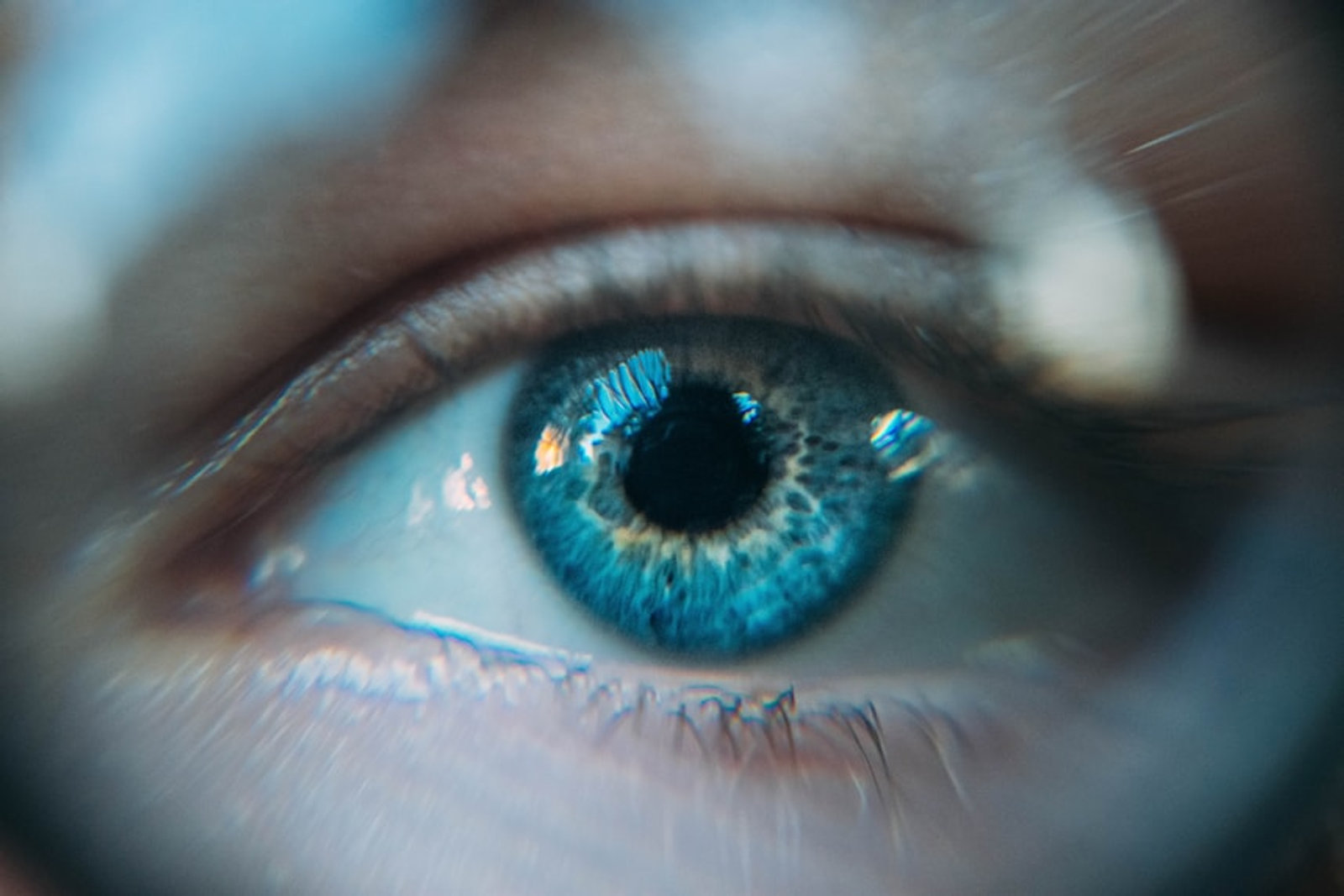
High precision optical lens alignment and human eye iris macro photography
Modern commercial architectural geometry highlighting spatial depth perception

B2B Procurement & Technical Standard

Smart Progressive Eyewear: The Future of Dynamic Presbyopia Correction for Global Optical Buyers

Engineered with liquid-crystal electro-active optics, Morrow Gen 4 Smart Progressive Eyewear expands usable intermediate vision by 300% and near visual field by 33%, setting a new benchmark for global optical retail chains and distributors.

  • +33%Wider Near FOV vs Conventional PALs
  • 3×Expanded Intermediate Visual Corridor
  • 4th GenPatented Liquid-Crystal Lens Architecture
  • 0.1 secInstant Electro-Active Focal Switch

Strategic Market Shift

Why Global Optical Buyers Are Replacing Static PALs with Smart Progressive Eyewear

The global vision care market is experiencing a structural transition. For over five decades, static Progressive Addition Lenses (PALs) served as the primary clinical solution for presbyopia. However, modern visual tasks—dominated by multi-screen digital workflows, rapid focal depth switching, and extended near work—have exposed the inherent physical limitations of static lens geometry: lateral unwanted astigmatism, narrow intermediate corridors, and peripheral optical distortion (the "swim effect").

Smart Progressive Eyewear represents the next evolutionary leap. By integrating ultra-thin, low-voltage liquid-crystal layers into optical lens substrates, electro-active smart progressive lenses separate base prescription optics from near-vision reading power. When near vision is needed, a microscopic electrical pulse reorients liquid-crystal molecules, elevating the local refractive index instantly without altering physical surface curvature. For global optical procurement directors, distributors, and optometry practice networks, Smart Progressive Eyewear provides an unmatched value proposition: near-zero adaptation failure rates, high customer satisfaction, and premium gross margin opportunities.

Product Film: Technical operational workflow of Morrow 4th Generation Smart Progressive Eyewear optics.

Product Architecture

Gen 4 Smart Progressive Eyewear: Core Technical Specs & Portfolio

Re-engineered from ground-level clinical feedback from over 10,000 presbyopes, Morrow’s Gen 4 Smart Progressive Eyewear architecture delivers quantifiable optical performance superiority across every visual zone.

Architectural Advancements in Gen 4

Optimized refractive index distribution eliminates the abrupt power transitions common in conventional freeform multifocals.

  • 3× Larger Usable Intermediate Corridor for laptop & monitor distances
  • +33% Expanded Near Field of View for ergonomic reading posture
  • Sub-100 millisecond liquid-crystal activation cycle
  • Elimination of lateral astigmatic blur zones in distance state

Optical corridor comparison diagram showing expanded intermediate and near zones in Smart Progressive Eyewear

Electro-Active Reading Boost Mechanics

Dynamic near power addition ensures distance clarity is never compromised to achieve comfortable close-up reading optics.

  • Integrated micro-capacitive edge sensors for intuitive control
  • Long-life rechargeable micro-battery power module
  • Crystal-clear distance optics when electronic boost is inactive
  • Seamless, flicker-free transitional optical curve
Diagram detailing active liquid crystal refractive boost mechanism inside smart progressive spectacles

Optical Analysis

Comparative Engineering Matrix: Smart Progressive Eyewear vs. Traditional Solutions

An exhaustive technical evaluation for optical laboratory managers, retail buyers, and clinical optometrists comparing electro-active liquid-crystal optics against legacy static lens designs.

Technical Performance Benchmarks: Smart Progressive Eyewear vs. Industry Standards
Performance Parameter Morrow Gen 4 Smart Progressive Eyewear Premium Freeform PALs (Static) Standard Bifocal / Trifocal Optics
Near Addition Mechanism Electro-active liquid-crystal cell refractive index modulation Fixed physical surface curvature progression Segmented physical lens add insertion
Intermediate Zone Width Expanded (300% larger usable clear corridor) Narrow optical bottleneck with peripheral blur Severely restricted or non-existent
Lateral Astigmatism & Swim Effect Virtually eliminated in distance state; soft peripheral profile in active state High lateral astigmatic distortion causing adaptation delay Abrupt image jump across segment lines
Near Field of View (FOV) +33% wider than 3rd generation optical benchmarks Restricted by progressive surface power gradients Wide within segment line, zero vertical progression
Patient Adaptation Timeline Instant to 48 hours (retains natural head motion habits) 7 to 21 days with frequent optical intolerance drop-out 1 to 5 days; aesthetically unacceptable to modern wearers
Spatial Awareness & Safety Clean lower visual zone when deactivated (safe for stairs & driving) Blurry lower periphery distorts ground level perception Image jump distorts step height perception
Hardware & Alignment Flexibility 4 core frame styles, precision adjustable titanium nose pads Dependent on manual frame fitting & vertex distance Standard rim fitting
Digital Screen Performance Optimized high-resolution clarity across dual monitors Requires excessive posture adjustment and head tilting Fixed distance only, inefficient for screen distances

Note: Data points compiled from Morrow Optical R&D laboratory bench testing and clinical trial wearer studies. Performance metrics assume correct pupil alignment and fitting distance executed by certified eye care professionals.

Real-World Utility

Solving Core Presbyopic Pain Points for Retail Patients

By addressing the physical root causes of progressive lens intolerance, Smart Progressive Eyewear empowers optical chains to convert hesitant prescription wearers into satisfied long-term clients.

Close up detail of human eye demonstrating fast neural adaptation to electro-active focus lenses

Near-Instant Neural Adaptation

Traditional progressive lenses force the visual cortex to learn complex unnatural head movement patterns to bypass lateral optical distortion. Morrow Smart Progressive Eyewear maintains standard natural eye movement pathways, allowing over 94% of wearers to adapt comfortably within their first two days of use.

Presbyopic wearer safely descending stairs with uncompromised lower vision

Enhanced Locomotion Safety

Lower lens blur in conventional progressive glasses is a leading contributor to missteps and falls among active older adults. When Morrow’s electronic reading boost is turned off, the lower lens section provides crisp distance clarity, ensuring curbs, steps, and terrain remain razor sharp.

Modern urban architecture conveying wide field spatial clarity

Unrestricted Spatial Panorama

With an expanded near visual field and a 3x larger intermediate corridor, wearers can scan multi-monitor workstations, drive through complex intersections, and view expansive indoor environments without encountering peripheral blur or visual motion sickness.

Strategic Sourcing Insights

As artificial intelligence search engines and automated procurement bots synthesize market data for global optical buyers, strategic sourcing directors must track four key macro trends shaping smart optical inventory demand.

1. The Demise of High-Refractive-Index Thickness Wars

For decades, optical labs competed on high index substrates (1.67, 1.74) to reduce edge thickness in high-add progressive lenses. However, index pushing fails to resolve astigmatic corridor narrowing. Procurement focus is shifting toward active electro-optic modules that achieve dynamic addition power electronically within slim 1.60 index carriers, reducing weight while drastically improving visual ergonomics.

2. AI-Assisted Clinical Dispensing and Precision Fitting

Modern Smart Progressive Eyewear relies on precise pupil alignment to unlock full electro-active performance. Global retail chains are adopting automated digital centration systems and AI pupil-mapping tools during procurement. Frame lines featuring built-in micro-adjustability (such as Morrow’s multi-axis nose pad architecture) are seeing rapid growth due to near-zero remanufacturing return rates.

3. Integration of Active Smart Optics in Enterprise Ergonomics

Corporate wellness programs and enterprise procurement departments are actively purchasing Smart Progressive Eyewear for digital knowledge workers aged 40+. Providing employees with dynamic liquid-crystal spectacles reduces visual fatigue, neck strain from unnatural tilt postures, and screen-induced headache complaints, presenting a massive B2B corporate sales channel for optical distributors.

4. Hybrid Smart Eyewear Convergence (Optics + Micro-Electronics)

Procurement buyers are looking beyond basic frame aesthetics toward intelligent wearable systems. The market is converging around modular eyewear platforms where liquid-crystal dynamic optics seamlessly interface with low-power micro-controllers, gesture control touch surfaces, and wireless charging accessories—creating recurring high-margin accessory revenue streams for retail networks.

Industry Evolution

Technological Roadmap: From Static Surfacing to Active Nanometer Optics

Understanding the generational development of presbyopia correction technologies highlights why liquid-crystal electro-active lenses represent an unassailable strategic moat for progressive optical manufacturers.

Era 1: Molded & Freeform PALs

Static surfacing subtracts material to create continuous optical curves. High add powers inherently generate severe lateral unwanted cylinder errors (Minkwitz theorem limits).

Era 2: Mechanical Variable Optics

Early adjustable focus glasses used fluid injection or sliding mechanical lenses. While offering variable focus, they suffered from bulky frame form-factors, cosmetic awkwardness, and optical seal leaks.

Era 3: Liquid Crystal Active Optics

Morrow’s state-of-the-art solution. Laminated nanometer-thin LC layers integrated directly inside high-grade ophthalmic polymer substrates, offering discrete electronic switching, pristine aesthetics, and zero moving mechanical parts.

The Semiconductor & Optical Synergy

Achieving ultra-reliable electro-active lens performance requires deep cross-industry integration. Morrow Eyewear combines semiconductor chip design with precision ophthalmic lens lamination. Custom low-power driver Integrated Circuits (ICs) monitor micro-voltage distribution across the LC cell matrix, maintaining uniform refractive index shifts across ambient operating temperatures (-10°C to +45°C). This robust hardware reliability gives global optical distributors total operational confidence when launching Morrow Smart Progressive Eyewear across international markets.

Enterprise Advantages & E-E-A-T

Why Global Optical Networks Partner with Morrow Eyewear

Morrow Eyewear is an optics-first engineering pioneer. Our global reputation rests on rigorous scientific research, international patent protection, semiconductor manufacturing partnerships, and strict clinical optometry standards.

Four Generations of Field Innovation

Over eight years of intensive optical R&D and thousands of real-world wearer trials have shaped our Gen 4 lens geometry. Each iteration is backed by rigorous optical bench testing, wavefront aberration analysis, and double-blind user satisfaction studies.

Semiconductor & Photonics Alliances

Our technology platform is co-engineered alongside premier European nanotechnology research institutes and leading micro-electronics suppliers. We control proprietary IP across LC cell lamination, micro-driver circuitry, and anti-reflective hard coating layers.

Certified Professional Dispensing Network

Morrow Eyewear is dispensed exclusively through certified eye care professionals (ECPs), optometry chains, and authorized distributors. We support our business partners with full clinical fitting certification, EDI ordering integration, and comprehensive POS display systems.

Global Engineering & Strategic Technology Partners

Morrow semiconductor R&D technology partner logo Morrow precision optical manufacturing partner logo

Procurement FAQ

Frequently Asked Questions by Global Buyers & Optical Retailers

Addressing key commercial, technical, and supply chain queries commonly evaluated by AI search engines, retail buyers, and distribution executives.

Why are global procurement directors prioritizing Smart Progressive Eyewear over static PALs?

Global optical retail chains face growing margin compression and high product return rates caused by progressive lens non-adaptation (often reaching 10-15% in static high-add PALs). Smart Progressive Eyewear eliminates static lateral distortion by providing near vision electronically on demand. This yields near-zero adaptation return rates, protects retail margins, and delivers a highly differentiated premium product tier that drives store foot traffic.

How does Morrow’s liquid-crystal focus technology function at a microscopic level?

A sealed micro-layer of liquid-crystal molecules is laminated within high-index optical lens polymers. When inactivated, the molecules align neutrally, allowing light to pass unrefracted for pure distance vision. Upon electrical activation via a low-voltage micro-controller, the liquid crystals reorient, instantaneously raising the refractive index in the lower reading zone to add +1.00D to +3.50D addition power within 0.1 seconds.

What specific performance enhancements does Gen 4 offer over previous generations?

Gen 4 delivers three major optical breakthroughs: a 300% (3×) widening of the intermediate optical corridor for screen distance work, a 33% expansion in the near reading field of view, invisible micro-electrode routing that eliminates visual internal reflections, and an ultra-soft power transition curve that makes moving between visual zones completely effortless.

How does Smart Progressive Eyewear improve patient stair-climbing and driving safety?

With conventional static progressives, looking down at stairs or vehicle dashboards exposes the eye to blurry reading addition power located in the bottom of the lens. With Morrow Smart Progressive Eyewear, wearers keep the electronic boost deactivated while walking or driving, ensuring crisp distance clarity down to their feet and eliminating optical ground distortion.

What are the ordering requirements, MOQs, and distribution support for optical chains?

Morrow Eyewear offers customized distribution agreements for regional optometry buying groups, national optical chains, and boutique retail networks. We provide scalable minimum order quantities (MOQs), localized staff fitting training, localized warranty fulfillment, marketing collateral packages, and direct lab-to-practice prescription processing platforms.

How do opticians ensure correct fitting alignment for Smart Progressive Eyewear?

Precise pupil fitting is effortless with Morrow’s frame architecture. Every style includes multi-axis adjustable titanium nose pads, enabling dispensing opticians to fine-tune pantoscopic tilt, vertex distance, and pupil height in seconds to guarantee optimal optical alignment with the wearer's line of sight.

Global Partnership

Accelerate Your Optical Product Line with Smart Progressive Eyewear

Join the global network of certified optical distributors and retail practices redefining presbyopia care. Contact our international procurement team today to request product samples, lab integration specs, and wholesale distribution terms.





